
Vitamin B12 Deficiency Symptoms That Should Never Be Ignored
Introduction
Vitamin B12, also known as cobalamin, plays a critical role in maintaining healthy nerve function, producing red blood cells, and synthesizing DNA. A deficiency in this essential vitamin can lead to a variety of symptoms, some of which may be severe or irreversible if left untreated. Unfortunately, B12 deficiency often goes unnoticed, as many of its early signs are subtle or mistaken for other health issues.
In this article, we’ll highlight the most common and alarming symptoms of B12 deficiency, and why they should never be ignored. Recognizing these symptoms early can lead to prompt treatment and prevent long-term damage.
1. Fatigue and Weakness
One of the earliest and most common symptoms of B12 deficiency is extreme fatigue. This is due to the vitamin’s role in red blood cell production. Without enough B12, your body cannot produce enough healthy red blood cells to carry oxygen to tissues, leading to feelings of exhaustion.
- Why it’s dangerous: Chronic fatigue can severely impact your daily life, making simple tasks feel overwhelming.
- What to do: If you’re feeling tired all the time, even after a good night’s sleep, talk to your doctor and request a blood test to check your B12 levels.
2. Numbness or Tingling in Hands and Feet
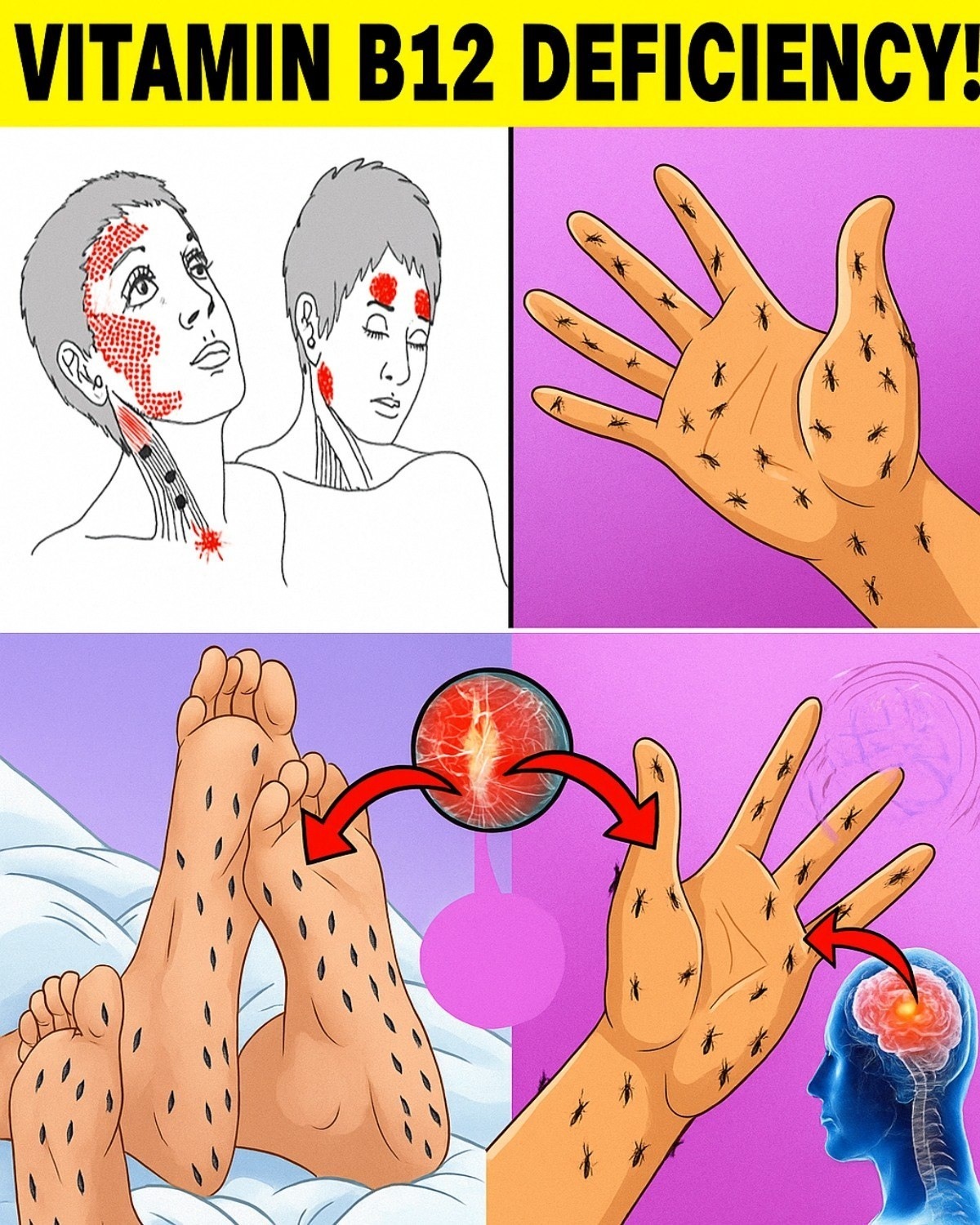
Vitamin B12 is essential for maintaining a healthy nervous system. A deficiency can lead to nerve damage, which often manifests as a tingling or numb sensation in the extremities, particularly in the hands and feet.
- Why it’s dangerous: Nerve damage can become permanent if B12 deficiency is left untreated for too long, potentially leading to long-term mobility issues.
- What to do: If you experience numbness or tingling, seek medical advice promptly. Early intervention can help prevent lasting nerve damage.
