
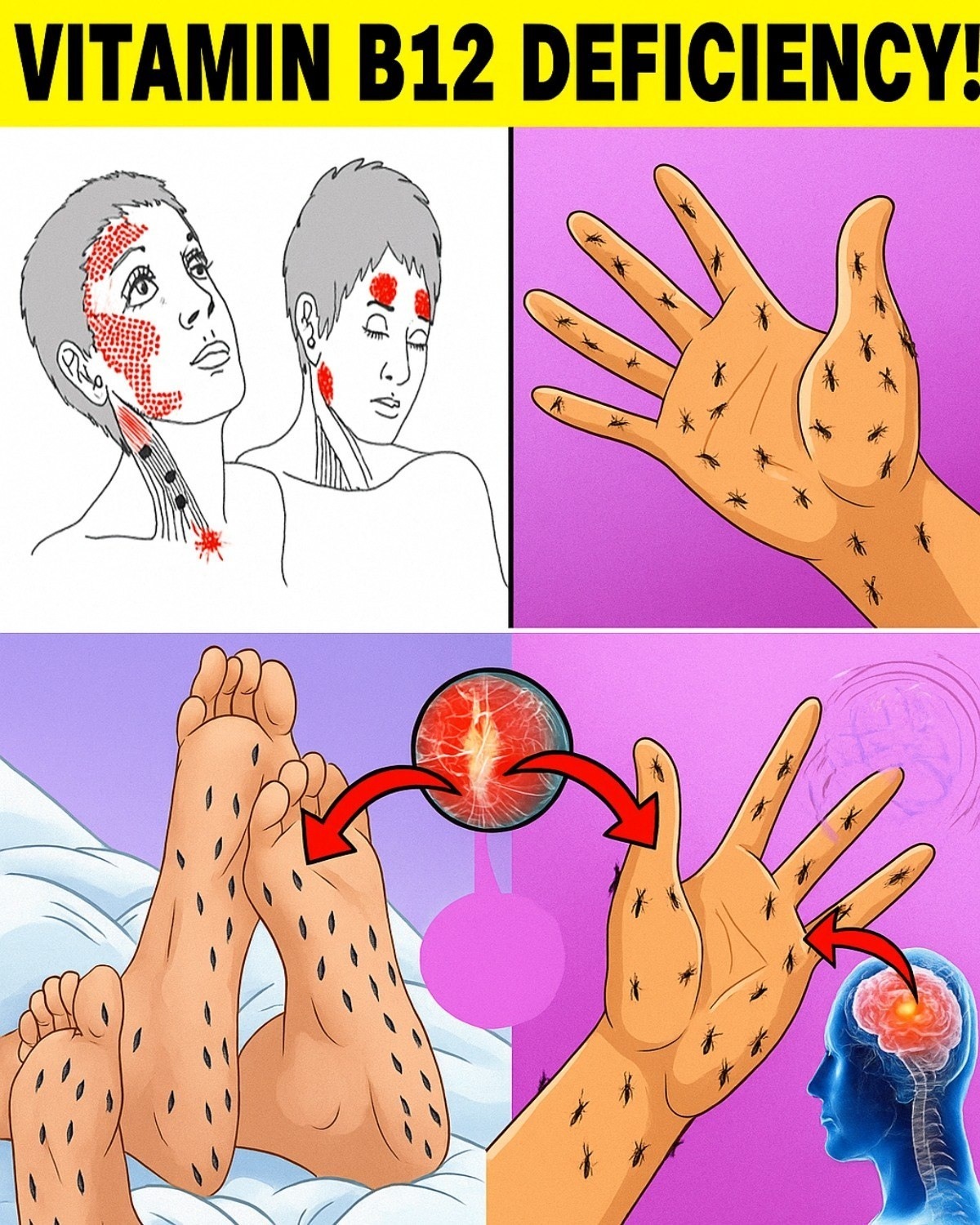
A B12 deficiency can affect your coordination and balance due to nerve damage in the spinal cord. This can lead to difficulty walking, unsteady movements, or a general sense of unbalance.
- Why it’s dangerous: Poor balance increases the risk of falls and injuries, especially as you get older.
- What to do: If you notice a change in your walking pattern or coordination, consult a healthcare provider for a B12 check.
4. Memory Loss and Cognitive Decline
B12 deficiency can lead to mental fog, memory loss, and even more serious cognitive impairments. Since B12 is vital for brain health, a lack of it can cause difficulty concentrating, forgetfulness, and even mood changes.
- Why it’s dangerous: If not addressed, this cognitive decline can escalate into more serious issues like dementia or permanent memory loss.
- What to do: If you find it hard to focus or recall basic information, talk to your doctor about getting your B12 levels checked.
5. Pale or Jaundiced Skin
A vitamin B12 deficiency can cause a reduction in red blood cell production, leading to anemia. This can cause a pale complexion or even jaundice, where the skin and whites of the eyes turn yellow.
- Why it’s dangerous: Anemia can lead to severe fatigue, shortness of breath, and a weakened immune system.
- What to do: If your skin looks unusually pale or you notice yellowing of your skin or eyes, get a blood test to rule out B12 deficiency.
6. Shortness of Breath and Dizziness
Due to the decreased red blood cell production caused by B12 deficiency, many people experience shortness of breath, dizziness, or lightheadedness, especially during physical exertion.
- Why it’s dangerous: Persistent dizziness or breathlessness can impact your ability to perform everyday activities and may signal a more serious underlying issue.
- What to do: If these symptoms occur frequently, it’s important to see a doctor to determine whether B12 deficiency is the cause.
7. Glossitis and Mouth Ulcers
Another symptom of B12 deficiency is glossitis, an inflammation of the tongue. The tongue may become swollen, red, and sore. In some cases, mouth ulcers or sores can also develop.
- Why it’s dangerous: Glossitis can cause difficulty eating and speaking, while mouth ulcers can be painful and slow to heal.
- What to do: If you have a sore, swollen tongue or mouth ulcers that don’t heal, check with your healthcare provider for a possible B12 deficiency.
8. Heart Palpitations
In some cases, a B12 deficiency can lead to heart palpitations, a sensation of a rapid or irregular heartbeat. This occurs because a lack of B12 can affect the production of red blood cells, leading to anemia and poor oxygen transport.
- Why it’s dangerous: Prolonged anemia and heart issues can increase the risk of cardiovascular disease and other complications.
- What to do: If you experience heart palpitations frequently, seek medical attention to have your B12 levels checked.
Conclusion
Vitamin B12 is an essential nutrient that impacts many aspects of your health. If you experience any of the symptoms mentioned above, it’s important not to ignore them. Early diagnosis and treatment of B12 deficiency can prevent serious health issues, such as permanent nerve damage or cognitive decline.
Fortunately, B12 deficiency can often be treated through dietary changes, supplements, or injections. If you suspect a deficiency, consult your doctor for a blood test to confirm and discuss appropriate treatment options.
FAQ
1. How do I get enough Vitamin B12 in my diet?
Good sources of Vitamin B12 include animal products like meat, fish, eggs, and dairy. For vegetarians or vegans, fortified foods or B12 supplements may be necessary.
2. How is Vitamin B12 deficiency diagnosed?
A simple blood test can measure your B12 levels. If your levels are low, your doctor may recommend further tests or treatments.
3. Can B12 deficiency cause permanent damage?
Yes, prolonged B12 deficiency can lead to irreversible nerve damage and cognitive decline if left untreated for too long.
4. How long does it take to recover from a B12 deficiency?
With proper treatment, most people start feeling better within a few days to weeks, but full recovery can take a few months, depending on the severity of the deficiency.
5. Can B12 deficiency cause anxiety or mood swings?
Yes, B12 deficiency can contribute to mental health issues, including mood swings, irritability, and even depression due to its effects on the nervous system.
