
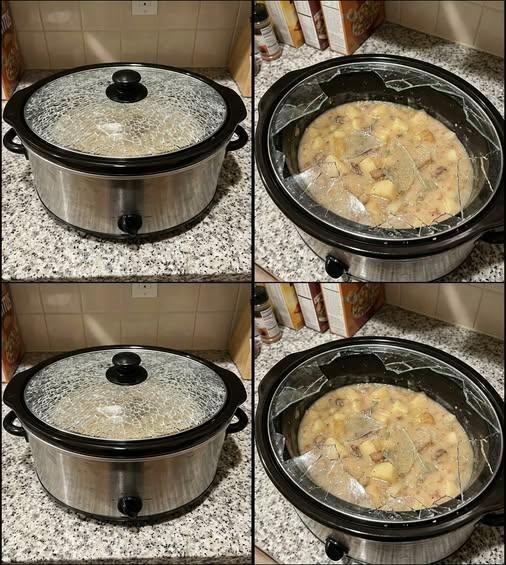
11 Foods You Should Never Put in a Slow Cooker — Avoid These Common Mistakes!
Introduction:
Slow cookers are kitchen heroes—perfect for tender stews, hearty soups, and hands-off meals. They allow flavors to meld over hours while you go about your day.
But not every ingredient thrives under low-and-slow cooking. Some foods turn mushy, others can become unsafe, and a few may even ruin your dish or damage your slow cooker.
Understanding what not to add and how to adjust cooking methods will save your meals from disappointment.
In this article, we’ll cover 11 foods you should never put in a slow cooker, why they are problematic, and tips to work around each issue so your slow-cooked meals remain delicious and safe.
Ingredients to Avoid:
While “ingredients” here refers to foods rather than recipe components, it’s helpful to think of these as categories to watch when planning slow cooker meals.
- Dairy Products (Milk, Cream, Sour Cream, Cheese)
Why: Dairy curdles or separates when cooked on low heat for hours.
Result: Grainy sauces or gritty cheese.
Fix: Stir in dairy during the last 15–30 minutes of cooking. - Seafood (Fish, Shrimp, Scallops)
Why: Seafood cooks in minutes, not hours. Long cooking makes it rubbery or causes it to disintegrate.
Result: Tough, flavorless, or vanished seafood.
Fix: Add seafood in the last 15–30 minutes, or use pre-cooked shrimp. - Boneless Chicken Breasts
Why: Lean meat dries out over long cook times.
Result: Dry, stringy chicken.
Fix: Use bone-in chicken thighs or add breasts during the last hour. - Delicate Vegetables (Spinach, Zucchini, Peas)
Why: These vegetables break down quickly under long heat.
Result: Mushy, unappealing texture.
Fix: Add delicate vegetables in the last 15–30 minutes of cooking. - Pasta or Rice
Why: These grains absorb too much liquid and overcook easily.
Result: Mushy, gluey texture.
Fix: Cook separately and stir in at the end. - Fresh Herbs
Why: Long heat destroys their flavor.
Result: Flat or bitter taste.
Fix: Add fresh herbs during the last 15–20 minutes of cooking or use dried herbs at the beginning. - Thickening Agents (Cornstarch, Flour)
Why: Can break down if cooked too long, leaving sauces thin.
Result: Watery or separated sauces.
Fix: Mix with cold water and add near the end to thicken sauce properly. - Alcohol
Why: Most alcohol evaporates completely over long cooking.
Result: Lost flavor intended from wine or spirits.
Fix: Add alcohol near the end or use as a finishing splash. - Leafy Greens
Why: Cook quickly and become mushy if added too early.
Result: Unpleasant texture.
Fix: Stir in at the last 10–15 minutes. - Potatoes Cut Too Small
Why: Small pieces can overcook and disintegrate.
Result: Potato mush.
Fix: Cut potatoes into larger chunks or add later in cooking. - Delicate Fruits (Apples, Berries)
Why: Fruits break down quickly and turn to puree.
Result: Overcooked, unappealing texture.
Fix: Add fruits near the end of cooking or use firmer varieties.
