
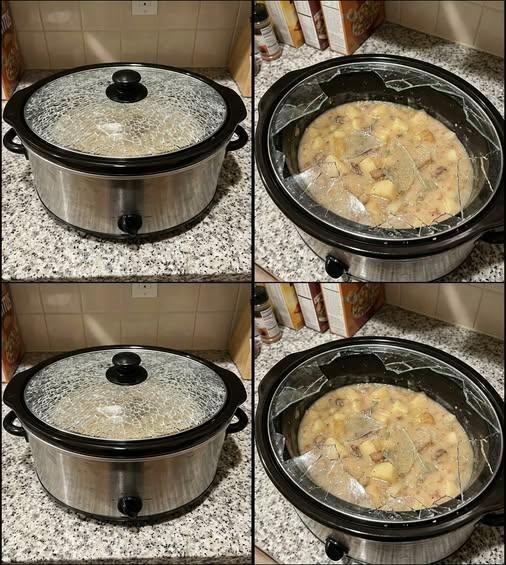
Using a slow cooker safely and effectively involves planning and timing:
- Identify ingredients that require long cooking and those that are delicate or quick-cooking.
- Add long-cooking ingredients (like root vegetables, tough cuts of meat) at the beginning.
- Add delicate vegetables, seafood, or dairy near the end of the cooking cycle to preserve texture and flavor.
- For grains or pasta, cook separately and combine after slow cooking to avoid mushiness.
- Adjust seasoning and herbs at the end, as long cooking can reduce flavor intensity.
Serving and Storage:
Serve slow-cooked meals immediately for best texture. Avoid storing dishes containing dairy, seafood, or delicate vegetables for long periods as they degrade faster.
Cool leftovers quickly and store in airtight containers in the fridge for up to 3 days. Reheat gently to prevent overcooking.
Tips:
- Layer ingredients wisely: dense and slow-cooking at the bottom, delicate at the top.
- Use a thermometer to ensure meats reach safe internal temperatures.
- Consider using pre-cooked or par-cooked ingredients for foods that finish quickly.
- Keep a list of “slow cooker friendly” vs. “quick finish” ingredients handy for planning meals.
Conclusion:
Slow cookers are fantastic tools, but knowing which ingredients to avoid can prevent ruined dishes and wasted meals.
By timing the addition of delicate foods like dairy, seafood, and leafy greens, and avoiding overcooking grains or potatoes,
you can enjoy perfectly cooked slow-cooked meals every time.
Keep these 11 foods in mind when planning your next slow-cooked recipe, and your slow cooker will become a source of reliably
delicious and safe meals rather than culinary frustration.
FAQ:
Can I add dairy at the beginning if I’m in a hurry?
No, adding dairy at the start will likely cause curdling. Stir it in during the last 15–30 minutes.
Is all seafood unsafe in a slow cooker?
Not all, but most seafood requires only a few minutes. Use pre-cooked shrimp or add fresh seafood at the end.
Can I use frozen vegetables?
Yes, but adjust timing. Frozen delicate vegetables may need less time, while root vegetables should be thawed or cut larger.
Why do grains turn mushy?
Slow cookers retain liquid, causing pasta and rice to over-absorb. Cook separately or add near the end.
Can I salvage overcooked vegetables?
If mushy, consider blending into a soup or sauce, but texture cannot be fully restored.
