
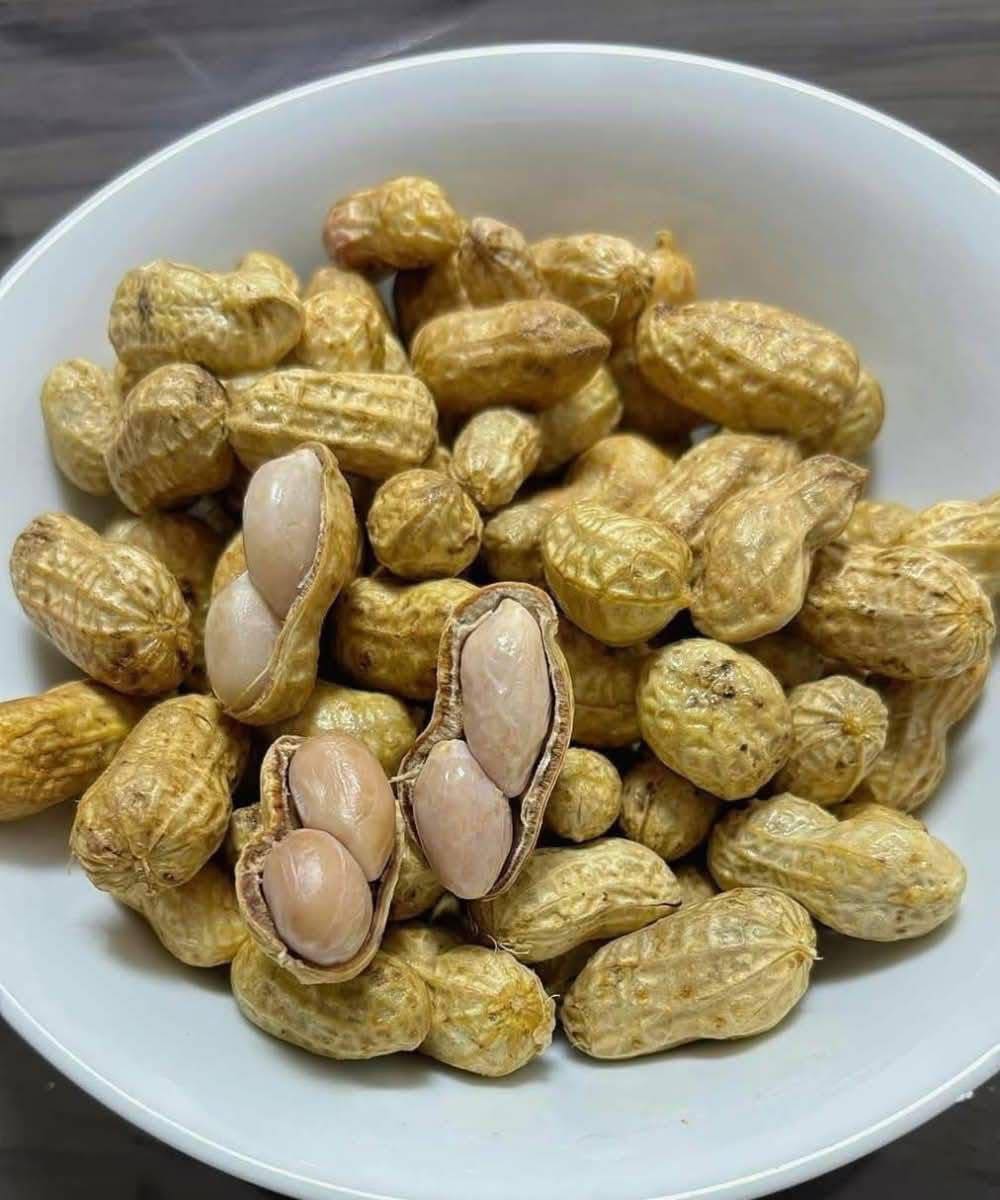
Doctors Reveal What Eating Peanuts Can Really Do to Your Body
Peanuts are one of the most popular snacks worldwide, enjoyed in various forms such as roasted, boiled, or as peanut butter. Despite their ubiquity, peanuts often get a bad reputation due to their association with allergies, but the truth is, they can offer numerous health benefits. Medical experts are increasingly recognizing peanuts as a nutrient-dense food with the potential to boost health in many ways. In this article, we’ll uncover the surprising benefits of eating peanuts and how they can positively impact your body, based on insights from doctors and nutritionists.
The Nutritional Powerhouse of Peanuts
Peanuts may be small, but they pack a punch when it comes to nutrition. Despite their name, peanuts are technically legumes, not tree nuts, but they share many of the same health benefits as other nuts. They are an excellent source of healthy fats, protein, vitamins, and minerals that contribute to your overall well-being. Here’s a breakdown of the key nutrients found in peanuts:
1. Protein
Peanuts are an excellent plant-based source of protein. A single ounce of peanuts (roughly a handful) provides about 7 grams of protein, making them a great option for vegetarians, vegans, or anyone looking to boost their protein intake. Protein is essential for muscle repair, immune function, and maintaining overall body structure.
2. Healthy Fats
Peanuts are rich in monounsaturated and polyunsaturated fats, which are heart-healthy fats that can help lower bad cholesterol levels and reduce the risk of heart disease. They also contain omega-6 fatty acids, which play a role in brain function, growth, and inflammation regulation.
3. Vitamins and Minerals
Peanuts are a great source of several essential vitamins and minerals, including Vitamin E, B vitamins (especially niacin, folate, and thiamine), magnesium, phosphorus, and potassium. These nutrients help support your immune system, maintain healthy skin, improve energy levels, and promote overall cellular health.
What Eating Peanuts Can Do for Your Health
Now that we know peanuts are packed with nutrients, let’s take a closer look at the specific health benefits they offer, according to doctors and nutritionists.
1. Promote Heart Health
One of the most well-known benefits of peanuts is their ability to support heart health. The monounsaturated and polyunsaturated fats found in peanuts have been shown to reduce levels of LDL (bad cholesterol) while increasing HDL (good cholesterol). This healthy fat balance can help lower the risk of heart disease and stroke. Additionally, peanuts contain antioxidants like resveratrol, which has been linked to improved blood vessel function and reduced inflammation in the cardiovascular system.
2. Help Manage Blood Sugar
Peanuts have a low glycemic index, which means they do not cause a rapid spike in blood sugar levels when consumed. This makes them a great snack for people with diabetes or those trying to regulate their blood sugar. In fact, some studies suggest that regularly eating peanuts can help improve insulin sensitivity, making it easier for your body to regulate blood sugar.
3. Boost Brain Health
The nutrients found in peanuts, such as niacin, vitamin E, and healthy fats, are beneficial for brain health. Niacin (vitamin B3) has been shown to improve cognitive function and may even help prevent age-related cognitive decline. Additionally, the healthy fats in peanuts are important for maintaining the integrity of brain cells, and antioxidants like resveratrol may help protect the brain from oxidative stress and inflammation, which can contribute to neurodegenerative diseases.
4. Support Weight Management
Despite being calorie-dense, peanuts can actually help with weight management when eaten in moderation. Their high protein and fiber content helps keep you feeling full and satisfied, which can reduce overall calorie intake. Additionally, the healthy fats in peanuts promote satiety and help curb cravings for unhealthy snacks. Studies have shown that people who eat peanuts regularly tend to have lower body weight and a lower risk of obesity.
5. Improve Gut Health
Peanuts are a good source of dietary fiber, which plays a crucial role in maintaining digestive health. Fiber helps promote regular bowel movements, prevent constipation, and support the growth of beneficial gut bacteria. Some research even suggests that the prebiotic fiber found in peanuts can help support the health of your gut microbiome, contributing to improved digestion and immune function.
6. Provide Anti-Inflammatory Benefits
Chronic inflammation is linked to a variety of health problems, including heart disease, diabetes, and cancer. Peanuts contain several compounds, such as resveratrol and antioxidants, that have anti-inflammatory properties. Regular consumption of peanuts can help reduce systemic inflammation and may lower the risk of developing inflammation-related diseases.
Are There Any Risks of Eating Peanuts?
While peanuts offer many health benefits, there are some risks associated with their consumption, especially for certain individuals:
1. Peanut Allergies
Peanut allergies are among the most common food allergies, particularly in children. For those with a peanut allergy, consuming even a small amount of peanuts can trigger a severe allergic reaction, which may include symptoms such as hives, swelling, difficulty breathing, or anaphylaxis. If you have a peanut allergy, it’s essential to avoid peanuts and peanut products entirely.
2. High-Calorie Content
Peanuts are calorie-dense, which means that eating too many peanuts can lead to excess calorie intake. While peanuts can be part of a healthy diet, portion control is important to avoid overeating. A small handful (about 1 ounce) is typically a healthy serving size.
3. Possible Aflatoxin Exposure
Peanuts can be contaminated with aflatoxins, toxic substances produced by certain molds that grow on peanuts, especially in warm and humid environments. Aflatoxins are carcinogenic and can pose a health risk if consumed in large amounts. However, peanut products in most countries are regularly tested for aflatoxin contamination, and the levels are usually within safe limits.
How to Incorporate Peanuts Into Your Diet
Incorporating peanuts into your diet is easy and delicious. Here are a few simple ideas for adding peanuts to your daily meals:
- Peanut Butter: Spread natural peanut butter on whole grain toast, or add it to smoothies and oatmeal for a creamy texture and protein boost.
- Peanut Snacks: Enjoy roasted peanuts as a snack, or mix them with dried fruits for a healthy trail mix.
- Peanut Sauce: Make a delicious peanut sauce by combining peanut butter, soy sauce, garlic, and lime juice. This can be used as a dip for vegetables or a topping for stir-fries and salads.
- Peanut Toppings: Sprinkle chopped peanuts on top of yogurt, salads, or soups for added crunch and flavor.
Conclusion: A Nutritious, Heart-Healthy Snack
Peanuts are a nutritious and versatile food that can offer numerous health benefits when included in your diet. From supporting heart health and boosting brain function to aiding digestion and helping with weight management, peanuts truly deserve their place as a health-promoting snack. Of course, it’s essential to enjoy them in moderation, especially if you’re watching your calorie intake. As long as you’re not allergic to them, peanuts can be a delicious and beneficial addition to a balanced diet.
So, the next time you reach for a snack, consider grabbing a handful of peanuts—your body will thank you!
