
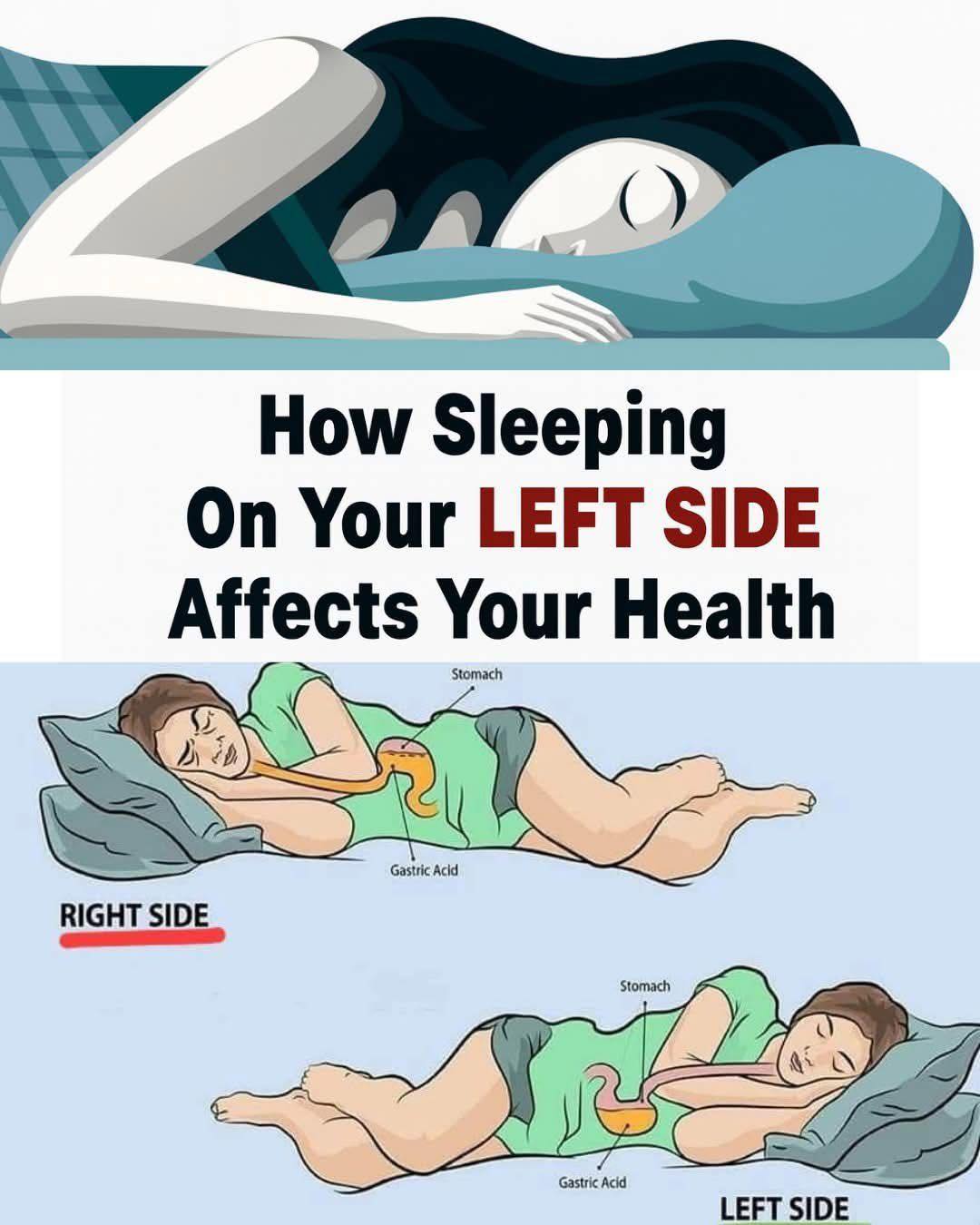
Disadvantages of Sleeping on Your Right Side: What Your Body Isn’t Telling You
When it comes to sleep, the position in which we rest plays a vital role in how well we recover and rejuvenate for the day ahead. For many people, sleeping on the side is the most comfortable and natural position. But when it comes to sleeping on the right side specifically, there are several hidden disadvantages that your body might be silently trying to warn you about. While sleeping on your right side might feel comfortable for a while, it can have negative impacts on your health over time. In this article, we will explore the disadvantages of sleeping on your right side, the ways it can affect your body, and what you can do to improve your sleep posture for better health.
Understanding Sleep Positions and Their Impact
Before diving into the specific disadvantages of sleeping on the right side, it’s important to understand the connection between sleep positions and body health. The position in which you sleep can affect the alignment of your spine, impact the quality of your sleep, and influence the way your body functions overnight. The three most common sleep positions are:
- Back Sleeping: This is when you lie flat on your back, with your head, neck, and spine aligned. It is generally considered one of the best positions for spinal health.
- Side Sleeping: Side sleeping is when you rest on one of your sides. This position is considered one of the most comfortable for many people, but the side on which you sleep can have a big impact on your health.
- Stomach Sleeping: This position, although less common, is when you sleep on your stomach. While it can reduce snoring, it can be problematic for neck and back health.
Side sleeping, specifically on the right or left, is often chosen due to comfort and is believed to have fewer health risks than sleeping on the stomach. However, the side you sleep on can make a noticeable difference in your well-being, particularly when it comes to the right side. While many people prefer this position, there are some health risks and disadvantages that can arise from consistently sleeping on your right side.
Disadvantages of Sleeping on Your Right Side
Here are some of the key disadvantages associated with sleeping on your right side:
1. Increased Acid Reflux and Heartburn
One of the most significant issues with sleeping on your right side is the potential for acid reflux and heartburn. When you sleep on your right side, the position may relax the lower esophageal sphincter (LES), the muscle responsible for keeping stomach acids from flowing back into the esophagus. This can increase the likelihood of acid reflux, leading to heartburn and discomfort. Research shows that sleeping on your left side helps keep the LES in a position that minimizes the risk of acid reflux. If you’re prone to acid reflux or gastroesophageal reflux disease (GERD), sleeping on the right side can exacerbate these symptoms and lead to disturbed sleep.
2. Pressure on the Heart
Another issue that arises from sleeping on the right side is the pressure it places on the heart. The heart is located on the left side of the body, so when you sleep on your right side, the weight of the body compresses the heart and its surrounding blood vessels. This compression can cause strain on the cardiovascular system, potentially affecting blood flow and increasing the risk of developing heart-related issues over time, especially for those who are already dealing with heart conditions. While side sleeping in general is beneficial for reducing pressure on the heart compared to stomach sleeping, sleeping on the left side is often more heart-friendly.
3. Disrupted Lymphatic Drainage
The lymphatic system plays a crucial role in the body’s detoxification process. It helps remove toxins, waste, and other unwanted materials from the body. The majority of lymphatic drainage occurs on the left side of the body. When you sleep on your right side, this can interfere with the natural process of lymphatic drainage. Some studies suggest that sleeping on the left side can promote better lymphatic circulation because the body’s largest lymph node cluster, the thoracic duct, drains more effectively when you are on your left side. Sleeping on the right side, in contrast, may reduce this efficiency and slow down the body’s detox process.
4. Increased Risk of Back and Neck Pain
Side sleeping is generally good for your spine when done correctly, as it keeps your spine in a relatively neutral position. However, sleeping on the right side without proper alignment can contribute to neck and back pain. When sleeping on the right side, if your pillow is too high or low, it can misalign your neck, causing strain and discomfort. Additionally, the way the body is positioned on the mattress can lead to misalignment in the spine, especially in the lower back region. Over time, this can contribute to chronic back pain. It’s important to ensure that your pillow and mattress are properly supporting your spine when side sleeping to avoid these issues.
5. Increased Pressure on the Stomach and Digestive System
When you sleep on your right side, gravity causes the stomach to be positioned below the esophagus, which can increase the likelihood of digestive issues. While this may not be a concern for everyone, it can contribute to slower digestion and discomfort in individuals with gastrointestinal problems. For example, individuals who suffer from bloating or indigestion may notice that sleeping on their right side exacerbates these symptoms. The right-side sleeping position can also affect the liver and pancreas by compressing these organs, which may impact their ability to process food and detoxify the body effectively.
6. Impact on Pregnancy
For pregnant women, sleeping on the right side may not be the most optimal choice. During pregnancy, especially in the later stages, sleeping on the left side is recommended because it improves blood circulation to the placenta and enhances the oxygen supply to the baby. While sleeping on the right side is generally not dangerous, it can reduce blood flow and may contribute to discomfort. Some studies have shown that sleeping on the right side can put pressure on the liver, which is not ideal during pregnancy. Pregnant women are advised to favor the left side to improve circulation and reduce the risk of complications.
What You Can Do to Improve Your Sleep Posture
Although sleeping on your right side has several potential disadvantages, you don’t have to abandon side sleeping entirely. There are ways to modify your sleep habits and posture to minimize these risks while still enjoying the comfort of side sleeping. Here are a few tips to improve your sleep posture:
- Sleep on Your Left Side: If you experience acid reflux, pressure on your heart, or digestive issues, try switching to the left side. This position can help reduce the risks associated with sleeping on the right side, promoting better circulation, heart health, and lymphatic drainage.
- Use the Right Pillow: Ensure that your pillow is properly supporting your neck and head. A pillow that keeps your neck in alignment with the spine can reduce the risk of neck and back pain. Consider using a memory foam or orthopedic pillow to help maintain the proper posture while side sleeping.
- Consider a Body Pillow: If you sleep on your side, using a body pillow can help keep your body in a neutral position and prevent you from rolling onto your stomach or right side during the night. It provides additional support to your back and prevents misalignment.
- Adjust Your Mattress: Your mattress plays a significant role in your sleep quality. Ensure that your mattress is firm enough to support your body while maintaining proper spinal alignment. A mattress that is too soft may contribute to back pain, while a mattress that is too firm can cause discomfort in the shoulders and hips.
- Take Breaks: If you tend to sleep in one position for prolonged periods, try adjusting your sleeping position occasionally. Sleeping in a variety of positions can help alleviate pressure on your organs and reduce the risk of developing musculoskeletal issues.
Conclusion
While sleeping on your right side may be comfortable in the short term, the potential disadvantages for your health cannot be ignored. From increasing the risk of acid reflux to putting unnecessary pressure on your heart, spine, and digestive system, sleeping on your right side can have long-term consequences. However, by being mindful of your sleep posture and making adjustments, you can reduce the negative impact of side sleeping and enjoy better overall health. If you experience discomfort or health problems related to your sleep position, it may be worth considering alternative positions or consulting with a
