
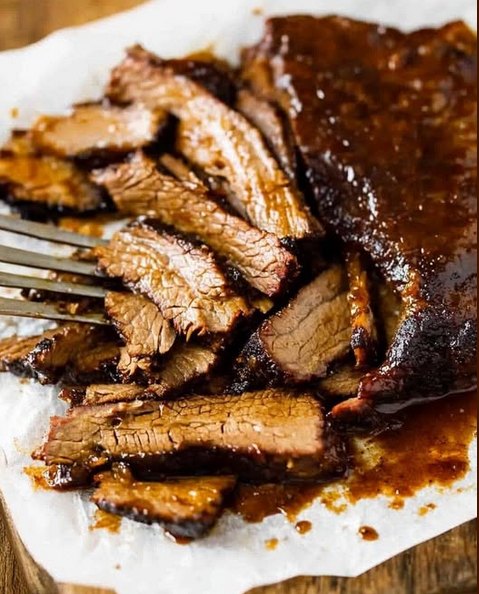
Preparing Beef Brisket Slow Cooker Comfort follows a methodical process designed to protect texture and maximize
flavor. Each step builds upon the previous one, and none should be rushed.
Begin by preparing the slow cooker. Place the sliced onions evenly across the bottom of the insert. This layer
serves two purposes: it adds flavor and acts as a buffer between the brisket and direct heat, reducing the risk
of scorching.
Season the brisket generously with salt and pepper on all sides. While not listed as an ingredient, seasoning is
a foundational regulation that should not be overlooked. Proper seasoning enhances natural flavor rather than
adding surface saltiness.
Place the brisket on top of the onions, fat side up if applicable. This orientation allows rendered fat to baste
the meat as it cooks, promoting moisture retention. Scatter the minced garlic evenly over the brisket.
In a separate container, combine the beef broth and Worcestershire sauce. Stir to integrate, then pour the
mixture around the brisket rather than directly over it. This regulation preserves surface seasoning while still
providing sufficient liquid for slow cooking.
Cover the slow cooker with its lid and set it to low heat. The primary regulation for brisket is time: low and
slow cooking allows collagen to break down gradually, resulting in tender meat. Cook for approximately 8 to 10
hours, depending on thickness.
Avoid lifting the lid during cooking. Each time the lid is removed, heat escapes and extends cooking time.
Trusting the process is essential at this stage.
Once cooking is complete, the brisket should be fork-tender and easily pulled apart. Turn off the slow cooker
and allow the brisket to rest in its cooking liquid for at least 15 minutes before slicing or shredding.
Serving and Storage:
Serving Beef Brisket Slow Cooker Comfort follows practical and sensory guidelines. The brisket may be sliced
against the grain for structured portions or shredded for a more rustic presentation.
Serve the brisket with some of the cooking liquid spooned over the top to maintain moisture and enhance flavor.
This dish pairs well with simple sides such as potatoes, rice, or vegetables that absorb the savory juices.
For storage, allow the brisket to cool completely before transferring it to airtight containers. Stored with
some of its cooking liquid, it will remain flavorful and moist for up to four days in the refrigerator.
Brisket also freezes exceptionally well. Portion it with liquid into freezer-safe containers and freeze for up
to three months. Reheat gently to preserve texture and prevent drying.
Tips:
One key tip is to slice brisket against the grain. This regulation shortens muscle fibers, resulting in more
tender bites.
Resist the urge to increase heat to speed cooking. High heat tightens muscle fibers and undermines tenderness.
Low heat and time are non-negotiable for brisket success.
Keep the brisket partially submerged, not fully covered. Too much liquid dilutes flavor, while too little risks
dryness.
Finally, allow resting time. Resting stabilizes juices and improves both flavor and texture.
Conclusion:
Beef Brisket Slow Cooker Comfort is a testament to the power of patience and structure in cooking. By following
clear regulations—proper layering, balanced liquid, controlled heat, and sufficient time—you transform a tough
cut into a deeply satisfying meal.
This dish succeeds not because of complexity, but because of understanding. Each ingredient plays a defined
role, and each step supports the next. The slow cooker does the work, but the regulations guide the outcome.
When prepared with care, this brisket delivers more than nourishment. It delivers reassurance, warmth, and the
kind of comfort that only slow-cooked food can provide.
FAQ:
Can I cook brisket on high instead of low?
It is not recommended. Low heat produces better texture and flavor.
How do I know when brisket is done?
It should be fork-tender and easy to pull apart.
Should I sear the brisket first?
Searing adds flavor but is optional in slow cooker preparation.
Can I add vegetables?
Yes, but add them during the last few hours to prevent overcooking.
Why is resting important?
Resting allows juices to redistribute, resulting in moister meat.
