
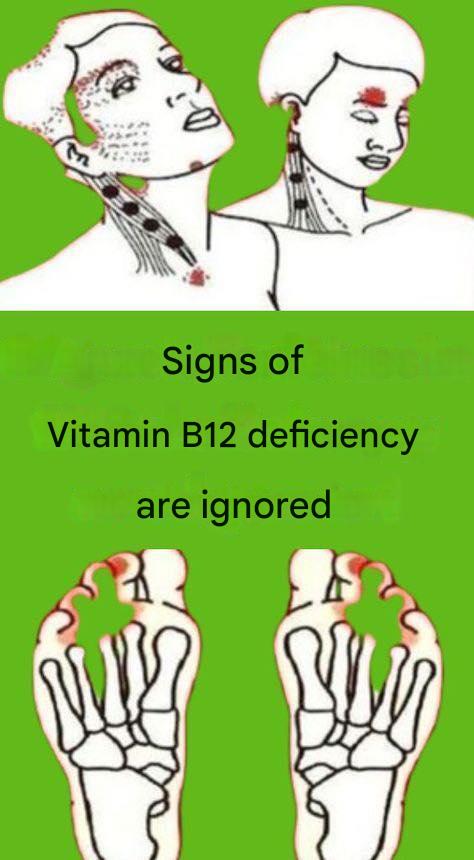
Another often overlooked symptom of B12 deficiency is **balance issues**. If you find yourself feeling off-balance or experiencing difficulty walking, it may be a sign that your body is not getting enough B12. Since vitamin B12 is involved in nerve function, a deficiency can affect the **nervous system**, leading to problems with coordination, muscle control, and even cognitive function.
This symptom can worsen over time and can make simple tasks like standing up, walking, or moving around more challenging. If you notice that you’re prone to falling or struggling to maintain your balance, it’s important to speak to a healthcare provider.
4. Pale or Jaundiced Skin
A vitamin B12 deficiency can cause a **pale or yellowish complexion** due to a condition called **megaloblastic anemia**. When your body lacks B12, your red blood cells become large, malformed, and inefficient in carrying oxygen throughout your body. This can lead to a **decreased red blood cell count**, which results in a **pale or sallow appearance**. In some cases, the skin may take on a yellowish tint, particularly around the eyes (this is known as **jaundice**).
If you notice a change in your skin color, along with other symptoms like fatigue or weakness, it’s a good idea to check your B12 levels.
5. Shortness of Breath and Dizziness
A lack of vitamin B12 can result in **anemia**, which occurs when your body doesn’t have enough red blood cells to transport oxygen to tissues. As a result, you may experience **shortness of breath** and feel **dizzy** or lightheaded, even during simple activities.
While these symptoms can also be caused by other conditions like low blood pressure, if you experience them along with other signs of B12 deficiency, it’s important to take them seriously. Chronic shortness of breath or dizziness should not be ignored, as it could be a sign of more serious health issues.
6. Memory Loss or Cognitive Decline
Vitamin B12 is crucial for brain health, and a deficiency can lead to **cognitive problems**, including **memory loss**, difficulty concentrating, and even confusion. People with a B12 deficiency may experience brain fog or have trouble remembering things that they would normally recall easily.
Over time, untreated B12 deficiency can contribute to more severe conditions, including **dementia** and **Alzheimer’s disease**. Early cognitive decline is one of the most concerning symptoms of a vitamin B12 deficiency, especially in older adults. If you notice changes in your memory or mental clarity, it’s important to seek medical advice as soon as possible.
7. Glossitis and Mouth Ulcers
**Glossitis** is a condition where the tongue becomes swollen, inflamed, and changes color. It can become sore or red and might affect your ability to speak or eat. This condition is a common symptom of a vitamin B12 deficiency and is often accompanied by **mouth ulcers** or sores.
If you notice that your tongue looks unusually smooth, swollen, or painful, and if you also have frequent mouth ulcers, this could be a sign that your B12 levels are too low.
8. Mood Changes and Mental Health Issues
Vitamin B12 also has an impact on mental health, and a deficiency can contribute to a range of psychological symptoms. These include **mood swings**, **irritability**, **depression**, and even **paranoia** or **delusions** in severe cases. Vitamin B12 helps produce **serotonin**, the neurotransmitter responsible for mood regulation. A lack of B12 can lead to reduced serotonin levels, causing emotional imbalances.
If you notice significant changes in your mood or mental well-being, such as feelings of sadness, hopelessness, or anxiety, it’s worth getting your B12 levels tested, especially if you have other signs of deficiency.
Conclusion
Vitamin B12 deficiency is more common than you might think, especially among older adults, vegetarians, and people with digestive conditions that affect nutrient absorption. However, many of the symptoms of a B12 deficiency are subtle and can easily be dismissed as part of the aging process or as symptoms of other conditions. It’s crucial to be aware of the signs of B12 deficiency and seek medical attention if you experience any of the symptoms mentioned in this article.
A simple blood test can confirm whether you have a deficiency, and supplementation through diet or B12 shots can help correct the problem. Early detection and treatment can prevent long-term damage to your nerves, brain, and overall health, so don’t ignore these signs!
