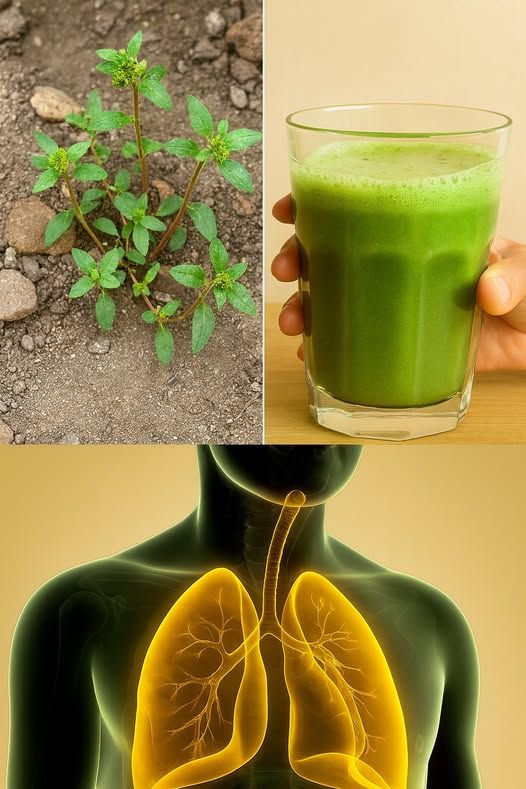
Euphorbia hirta is a member of the Euphorbiaceae family, known for its milky sap and small, fuzzy leaves. It grows easily in warm climates
and is commonly found along roadsides, open fields, and gardens. Because of its availability, many communities have relied on it as a household remedy
for generations.
Traditional Uses
Folklore medicine systems—including those in Southeast Asia, Africa, and parts of South America—have used Euphorbia hirta for various purposes.
It is important to note that these uses reflect cultural practices rather than confirmed medical treatments.
- Respiratory Support: Traditionally prepared as a tea to support general respiratory comfort.
- Digestive Health: Used in folk medicine for mild digestive discomfort and general stomach wellness.
- Skin Applications: Applied externally in some cultures for minor skin irritations.
- Hydration and General Wellness: In some regions, it is used as part of recovery routines during illness.
Again, these practices stem from long-standing local knowledge, not modern clinical evidence.
What Does Modern Research Say?
Scientific interest in Euphorbia hirta is growing, but research is still in early stages. Some laboratory and animal studies have explored
the plant’s compounds, leading to hypotheses about possible benefits. However, these findings should not be interpreted as proven effects in humans.
Emerging research discusses:
- Antioxidant Properties: Many plants, including Euphorbia hirta, contain compounds that may help neutralize free radicals.
- Anti-inflammatory Potential: Early studies suggest the plant may contain phytochemicals with inflammation-modulating properties.
- Antimicrobial Interest: Some extracts have shown effects against microbes in lab settings, though relevance to humans remains uncertain.
- Bronchodilatory Effects (Studied in Animals): Traditional respiratory uses have prompted research into airway effects, though human trials are lacking.
These findings are preliminary and do not confirm therapeutic benefits. More rigorous, high-quality human studies are needed before
any strong conclusions can be drawn.
How Euphorbia Hirta Is Traditionally Prepared
Different cultures prepare Euphorbia hirta in various ways, usually using the leaves and stems:
- Herbal Tea (Decoction): Leaves boiled in water and consumed warm.
- Tinctures: Prepared by soaking plant parts in alcohol for extended periods (used in some folk systems).
- Poultices: Crushed leaves applied externally for localized skin use.
- Powder Form: Dried leaves ground into powder and used in traditional recipes or herbal preparations.
Traditional usage varies geographically, and methods are passed down through generational knowledge.
Safety Considerations
Because Euphorbia hirta belongs to the Euphorbia family—a group known for plants containing irritant sap—caution is needed.
- Skin Sensitivity: The sap may cause irritation in some people.
- Internal Use Caution: Not enough clinical data exists to determine safe doses.
- Pregnancy and Breastfeeding: Should be avoided unless advised by a qualified healthcare professional.
- Medication Interactions: Herbal plants may interact with prescription medications.
Anyone considering the use of Euphorbia hirta should consult a medical professional, especially individuals with chronic conditions.
Why It’s Called a “Miracle Herb”
The nickname comes not from scientific breakthroughs but from how communities relied on the plant when medical access was limited.
Its accessibility and versatility made it a trusted household remedy. Over generations, these uses shaped the perception of the herb
as something “miraculous”—a term reflecting tradition, not clinical validation.
Modern Interest and Future Research
With increasing global curiosity about herbal remedies, Euphorbia hirta has entered the spotlight. Scientists are particularly interested
in its phytochemical composition, traditional use patterns, and potential roles in complementary wellness approaches.
Future research may clarify which benefits, if any, can be supported by evidence.
Conclusion
Euphorbia hirta is a fascinating herb with a long history in traditional medicine and growing interest in modern research circles.
While some preliminary findings suggest interesting biological activity, it is essential to separate tradition from proven science.
The plant’s reputation as a “miracle herb” reflects cultural significance, not medical certainty.
Used responsibly and with proper guidance, Euphorbia hirta can be part of a broader conversation about herbal wellness.
But as with all medicinal plants, it should be approached with caution, respect, and awareness of its limitations.
FAQ
1. Is Euphorbia hirta proven to cure any disease?
No. There is no reliable clinical evidence confirming that Euphorbia hirta treats or cures specific diseases in humans.
2. Is it safe to drink Euphorbia hirta tea?
Traditional systems use it, but safety data in humans is limited. Anyone considering it should consult a healthcare professional first.
3. What gives Euphorbia hirta its potential properties?
The plant contains phytochemicals—such as flavonoids and tannins—that researchers are studying for their biological effects.
4. Can it be used on the skin?
Some cultures use it externally, but because Euphorbia plants can be irritating, patch testing and professional advice are recommended.
5. Why is it so popular in traditional medicine?
Its availability, ease of preparation, and centuries of cultural use have made it a household herb in many regions.
