
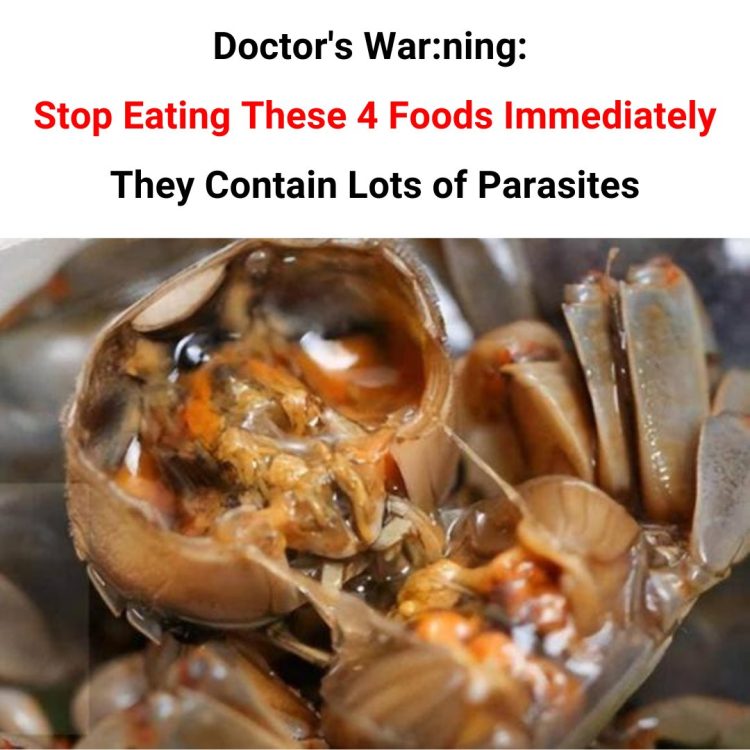
Parasites can be present in raw or undercooked meat, especially the following:
- Pork: Can carry the parasite Trichinella, which causes trichinosis. The risk is eliminated by cooking pork to the recommended temperature of 145°F (63°C).
- Beef: Tapeworms may be present in undercooked beef. Cooking beef thoroughly eliminates this risk.
- Fish: Certain fish can carry the parasite Anisakis. Freezing fish at -4°F (-20°C) for at least seven days kills the parasite.
- Wild Game Meat: Venison and other wild game can sometimes harbor parasites. Cooking wild game meat thoroughly ensures safety.
2. Raw Seafood (Sushi, Oysters, etc.)
Raw or undercooked seafood can be contaminated with parasites:
- Parasites in Raw Fish: Anisakis (roundworm) can infect raw fish like sushi or sashimi. Freezing the fish at -4°F (-20°C) for at least seven days can kill parasites.
- Shellfish: Oysters, clams, and mussels filter feed from water and can carry parasites like Giardia or Cryptosporidium. Eating them raw increases the risk, so they should be cooked.
3. Unwashed Fruits and Vegetables
Fruits and vegetables can also harbor parasites, particularly if they’re washed with contaminated water. The best prevention is to wash all produce thoroughly before eating.
4. Water (Contaminated Water)
Contaminated water can contain parasites like Giardia, Cryptosporidium, and Entamoeba histolytica. In areas with poor sanitation, drinking untreated water is a known source of parasitic infections.
3. How to Prevent Parasitic Infections
While parasitic infections are possible, the risk is significantly reduced with proper food safety practices:
- Cook Meat Thoroughly: Ensure all meat, particularly pork, beef, and fish, is cooked to the proper internal temperature. Use a food thermometer to check.
- Wash Fruits and Vegetables: Wash all produce thoroughly with clean water before consumption. Peel or scrub produce when necessary.
- Freeze Fish: If eating raw fish, ensure it has been frozen at the proper temperature to kill parasites.
- Be Cautious with Water: Drink clean, treated water. Avoid drinking from untrusted sources, especially while traveling in areas with poor sanitation.
- Avoid Raw Shellfish: Raw oysters and shellfish can carry parasites. Cook them to eliminate the risk.
4. What Does “Limit Eating These Foods Immediately” Mean?
The sensational claim to “limit eating these foods immediately” is an exaggeration often used to grab attention. While certain foods can carry parasites, proper cooking and handling are sufficient to minimize the risk. There’s no need to completely eliminate these foods from your diet, but here are some steps you can take to safely enjoy them:
- Cook Meat and Seafood Properly: Always ensure that meat and seafood are cooked to the recommended temperature.
- Practice Good Hygiene: Wash hands before handling food and after touching raw meat or seafood.
- Wash Produce Thoroughly: Rinse fruits and vegetables with clean water before eating, and avoid eating unwashed produce.
5. The Bottom Line
The warning to “limit eating these foods immediately” is likely an exaggeration. Parasites can indeed be present in some foods, but with proper preparation and cooking, the risk of infection is minimal. By following food safety guidelines, you can safely enjoy all foods, including those that may carry parasites if consumed raw or undercooked.
Remember, the key to avoiding parasitic infections is to cook meat and seafood thoroughly, wash fruits and vegetables, and ensure the water you drink is safe. If you’re ever in doubt about the safety of certain foods or food preparation methods, consult a healthcare professional or food safety expert.
FAQ
1. How long does a parasitic infection last?
The length of a parasitic infection can vary depending on the type of parasite and the severity of the infection. Many parasitic infections resolve on their own, but some may require treatment, such as antiparasitic medications.
2. Can freezing kill all parasites in seafood?
Freezing fish at -4°F (-20°C) for at least seven days can kill most parasites, including *Anisakis*. However, not all parasites are susceptible to freezing, so it’s still important to cook seafood thoroughly.
3. Is it safe to eat raw seafood if it’s from a reputable source?
Even if the seafood is from a reputable source, eating raw seafood still carries a risk of parasite exposure. Freezing and cooking the seafood eliminates the risk of parasitic infections.
4. How can I protect myself from waterborne parasites while traveling?
When traveling, avoid drinking tap water in areas with poor sanitation. Drink bottled water or use water purification tablets. Be cautious about eating raw fruits and vegetables that may have been washed in contaminated water.
