
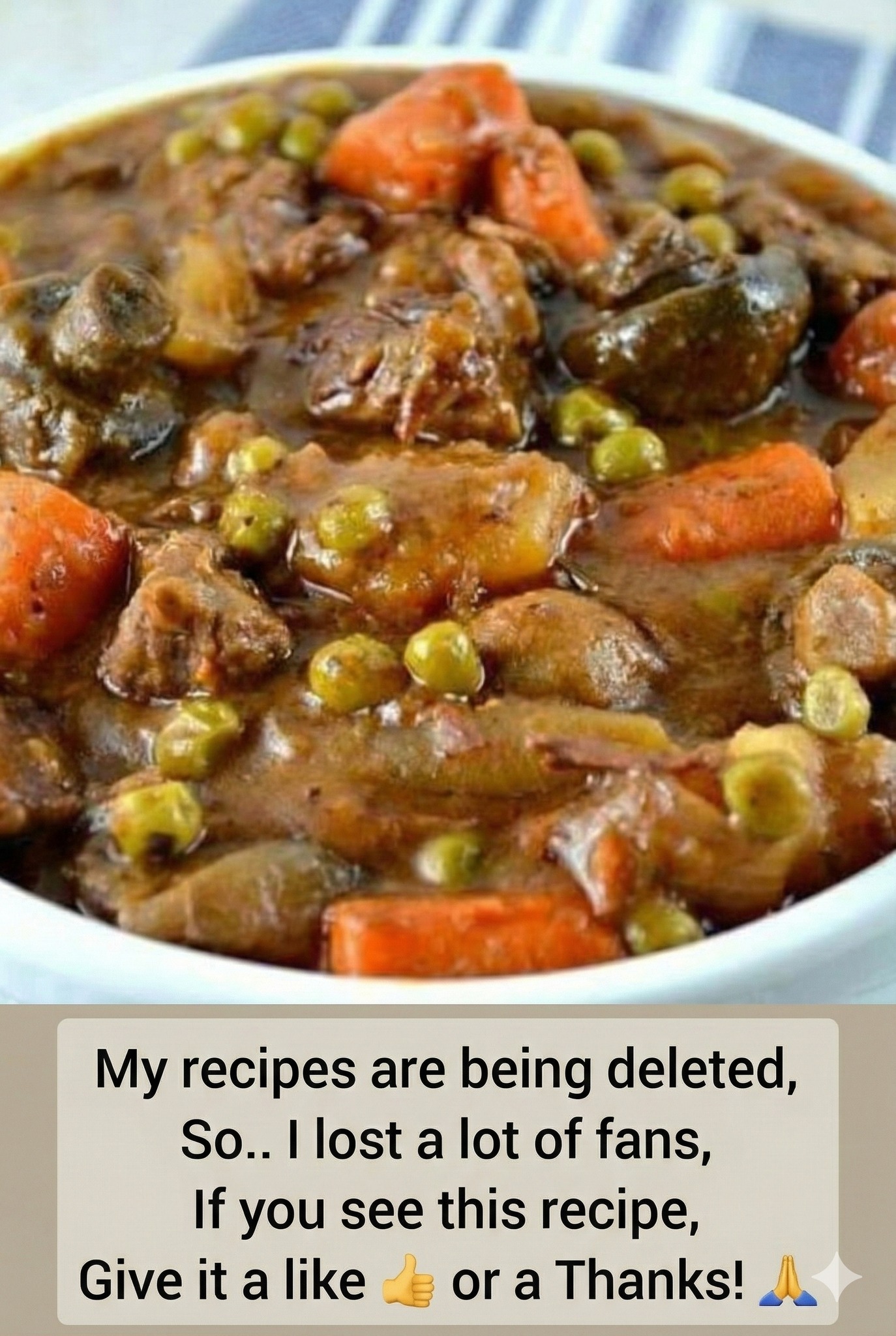
- Prepare the beef: Start by cutting the beef stew meat into bite-sized cubes if it’s not already pre-cut. Pat the meat dry with paper towels to remove any excess moisture. This helps the beef brown better. Season the beef with salt and pepper on all sides.
- Brown the beef: Heat the vegetable oil in a large pot or Dutch oven over medium-high heat. Once the oil is hot, add the beef in batches, ensuring not to overcrowd the pot. Brown the beef on all sides, which should take about 5-7 minutes per batch. Remove the beef from the pot and set it aside.
- Sauté the vegetables: In the same pot, add the chopped onion and cook for about 3-4 minutes, or until it becomes soft and translucent. Add the garlic and cook for an additional 30 seconds, until fragrant.
- Deglaze the pot: Pour in the red wine (if using) to deglaze the pot, scraping up any flavorful brown bits stuck to the bottom of the pot. Let the wine cook for 2-3 minutes to reduce slightly. This step is key for building flavor in your stew!
- Add the broth and seasonings: Once the wine has reduced, add the beef broth, bay leaves, dried thyme, and rosemary to the pot. Stir to combine, then return the browned beef to the pot. Bring the mixture to a boil.
- Simmer the stew: Once the stew reaches a boil, reduce the heat to low, cover the pot, and let the stew simmer for about 1.5 to 2 hours. This slow cooking process allows the beef to become tender and the flavors to meld together.
- Add the vegetables: After the stew has simmered for about 1.5 hours, add the sliced carrots, cubed potatoes, and chopped celery. Stir to combine, then cover the pot again and continue simmering for an additional 30 minutes, or until the vegetables are tender.
- Thicken the stew: If you prefer a thicker stew, create a slurry by mixing 2 tablespoons of flour with a small amount of cold water (about 1/4 cup). Stir this mixture into the stew, then cook for an additional 5-10 minutes until the stew thickens to your desired consistency. You can also thicken the stew by mashing a portion of the potatoes in the pot.
- Finish and serve: Once the stew has thickened, taste and adjust the seasoning with more salt, pepper, or herbs as needed. Remove the bay leaves, and garnish with freshly chopped parsley before serving. Ladle the stew into bowls and enjoy with crusty bread or a side salad!
Serving and Storage
Beef stew is a hearty and filling dish that can be served on its own or paired with crusty bread, biscuits, or rice to soak up the flavorful broth. It’s perfect for a cozy family dinner or as a meal prep option for the week.
Storage: If you have leftovers, store them in an airtight container in the refrigerator for up to 3-4 days. Beef stew often tastes even better the next day, as the flavors continue to develop over time.
Freezing: Beef stew also freezes very well. Allow the stew to cool completely before transferring it to a freezer-safe container. It can be frozen for up to 3 months. When you’re ready to enjoy it, simply thaw overnight in the refrigerator and reheat on the stovetop until heated through.
Tips
- Use the right cut of beef: For tender stew, always use a tougher cut of beef like chuck roast. These cuts become more tender as they cook slowly, making them perfect for stew.
- Don’t rush the browning: Take the time to brown the beef properly in batches. This step builds flavor, so don’t skip it!
- Use homemade or high-quality broth: The broth is the base of your stew, so opt for homemade beef broth or a high-quality store-bought version. It will make a huge difference in the flavor of your stew.
- Feel free to experiment: Beef stew is incredibly versatile. Feel free to add or swap vegetables, such as parsnips, turnips, or green beans, based on what’s in season or what you have on hand.
- Make it a one-pot meal: You can also add a side of rice, mashed potatoes, or noodles directly into the stew at the end of cooking, turning it into a full one-pot meal.
Variations
While the classic beef stew recipe is delicious as is, there are plenty of ways to switch it up and add your own twist. Here are a few variations to try:
- Beef and Ale Stew: Replace the red wine with a hearty beer, like stout or porter, for a richer, more robust flavor.
- Vegetable-Heavy Stew: Add extra vegetables like sweet potatoes, parsnips, or even butternut squash for a slightly sweeter flavor.</li
