
Toxins that accumulate in the blood due to poor kidney filtration can lead to digestive discomfort and loss of appetite.
6. High Blood Pressure
Kidneys help regulate blood pressure. Damaged kidneys can lead to uncontrolled hypertension, further harming kidney function.
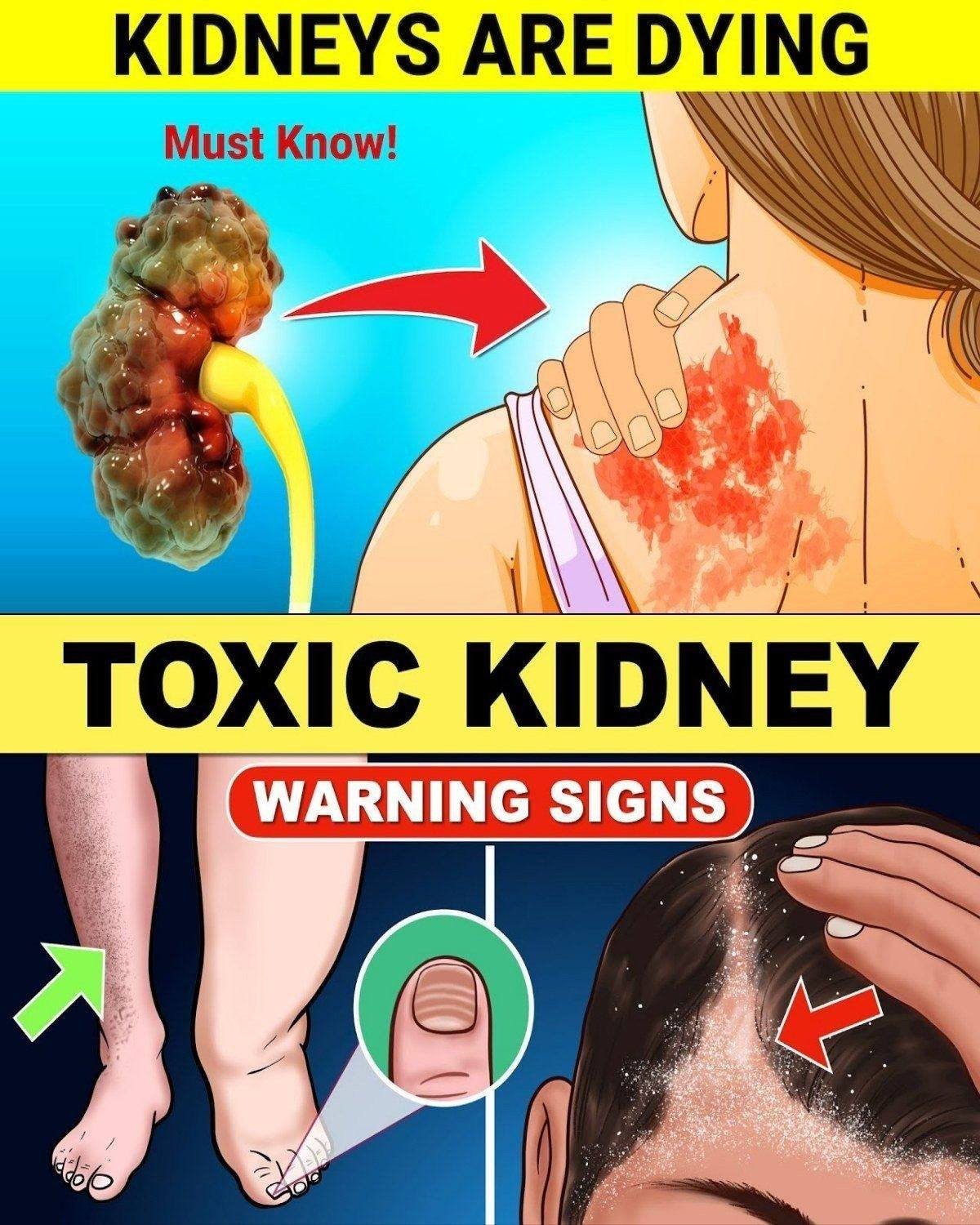
7. Persistent Itching
Waste buildup in the bloodstream can cause severe, unexplained itching, especially at night.
8. Metallic Taste in Mouth / Bad Breath
Uremia, or excess waste in the blood, may produce a metallic taste or ammonia-like breath odor.
9. Pain in the Lower Back or Sides
Kidney discomfort can manifest as dull or sharp pain in the lower back or sides, often accompanied by other symptoms.
Tests to Detect Kidney Issues Early
- Blood Tests: Serum creatinine, BUN, and eGFR to assess kidney function.
- Urine Tests: Proteinuria or microalbuminuria tests to detect early kidney damage.
- Imaging: Ultrasound or CT scan to visualize kidney structure and rule out obstructions.
- Blood Pressure Monitoring: Helps identify hypertension-related kidney strain.
Tips to Protect Your Kidneys
- Maintain a healthy blood pressure and blood sugar level.
- Stay hydrated but avoid excessive fluids if advised by your doctor.
- Follow a kidney-friendly diet low in sodium and processed foods.
- Limit use of over-the-counter painkillers, which can harm kidneys if overused.
- Schedule regular check-ups, especially if you have risk factors like diabetes or hypertension.
Conclusion
Early detection of kidney problems can prevent progression to chronic kidney disease and dialysis. Be attentive to changes in urination, swelling, fatigue, and other warning signs. Timely tests and lifestyle adjustments can protect your kidneys and overall health.
FAQ
1. Can kidney problems be reversed?
Some early-stage kidney issues can be managed or slowed with lifestyle changes and proper medical treatment. Advanced damage is usually irreversible.
2. How often should I get my kidneys tested?
If you have risk factors such as diabetes, high blood pressure, or family history, annual testing is recommended. Otherwise, follow your doctor’s guidance.
3. Are there home remedies for kidney health?
Maintaining hydration, eating a balanced diet, reducing salt, and avoiding smoking or excessive alcohol can support kidney function. However, medical monitoring is essential.
4. When should I seek medical help?
If you notice persistent swelling, changes in urination, severe fatigue, or other warning signs, consult a healthcare professional immediately.
5. Can lifestyle changes reduce the need for dialysis?
Yes. Managing blood pressure, blood sugar, diet, and avoiding kidney-damaging medications can slow progression and may reduce the likelihood of dialysis in some cases.
