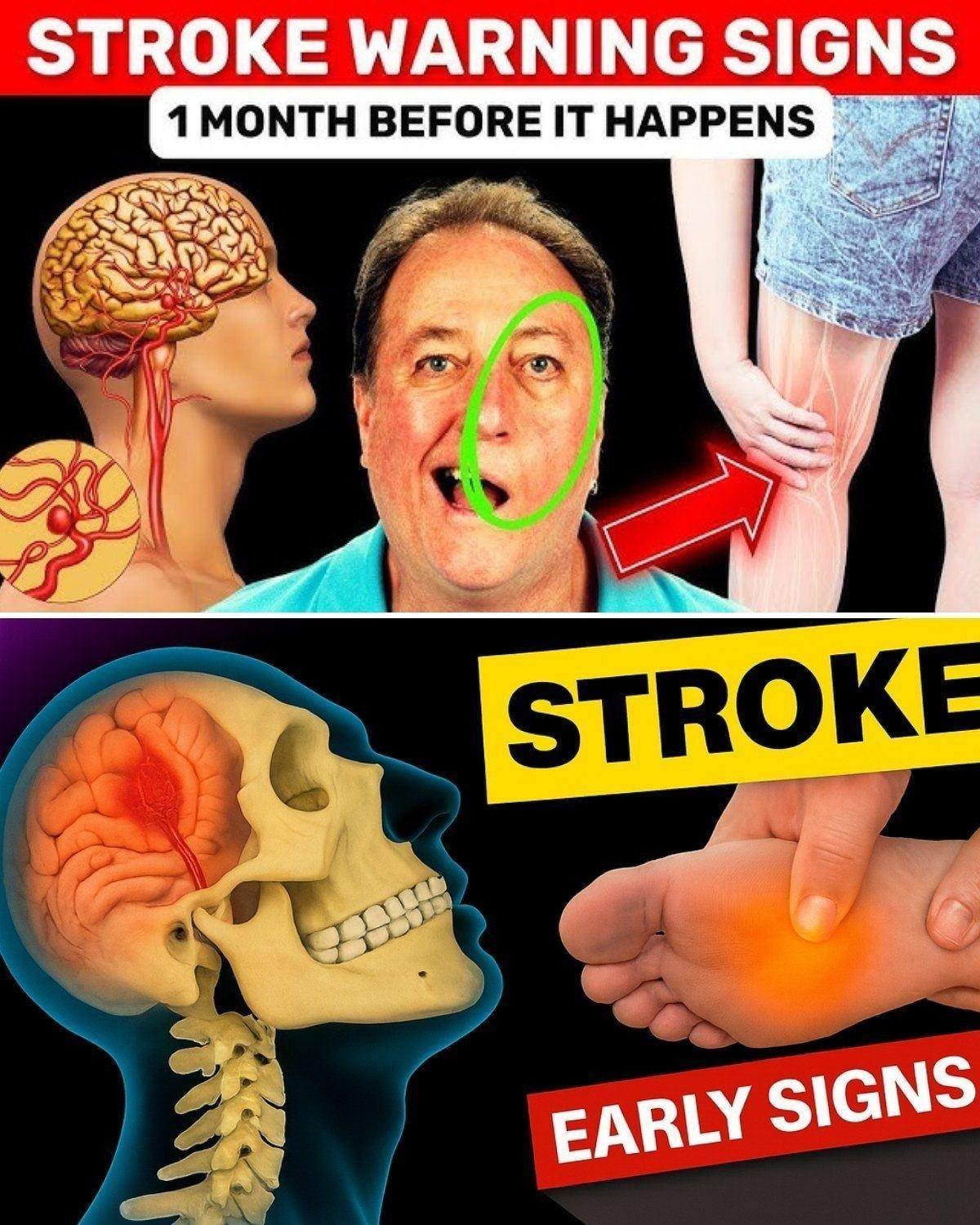
If you experience sudden blurred or double vision, or loss of vision in one or both eyes, it can be a sign of a stroke. This happens when the blood flow to the part of the brain responsible for vision is interrupted.
5. Trouble Walking or Loss of Balance
A stroke can affect your coordination and cause dizziness, lack of balance, or difficulty walking. If you suddenly feel unsteady or experience difficulty standing or walking, seek medical help immediately.
6. Severe Headache
A sudden, severe headache, often described as the “worst headache of your life,” can be a sign of a hemorrhagic stroke. It may be accompanied by nausea or vomiting.
7. Sudden Dizziness or Loss of Coordination
A sudden loss of coordination, dizziness, or trouble with balance can be a red flag for a stroke. You may feel lightheaded or unable to coordinate your movements.
8. Difficulty Swallowing
Trouble swallowing, or dysphagia, is another warning sign that can indicate a stroke. You may experience choking, coughing, or the inability to swallow food or liquids properly.
9 Tips to Prevent a Stroke
While there are no guarantees in life, making lifestyle changes and adopting healthier habits can significantly reduce your risk of having a stroke. Here are nine tips to help keep your cardiovascular system healthy and reduce your stroke risk:
1. Maintain a Healthy Diet
A balanced diet rich in fruits, vegetables, whole grains, and lean proteins can help prevent stroke. Foods that are high in **potassium**, **fiber**, and **omega-3 fatty acids** (like salmon and flaxseeds) are particularly beneficial for heart health.
2. Keep Your Blood Pressure in Check
High blood pressure (hypertension) is a leading cause of stroke. Regularly monitor your blood pressure and take steps to keep it within the normal range. This can be done through diet, exercise, and medication if prescribed by your doctor.
3. Exercise Regularly
Physical activity helps to maintain a healthy weight, reduce blood pressure, and improve overall cardiovascular health. Aim for at least 30 minutes of moderate exercise most days of the week, such as walking, cycling, or swimming.
4. Avoid Smoking
Smoking is a major risk factor for stroke, as it damages the blood vessels and reduces oxygen in the blood. Quitting smoking is one of the most important steps you can take to reduce your stroke risk.
5. Limit Alcohol Consumption
Excessive alcohol consumption can raise your blood pressure and increase your risk of stroke. It’s best to limit your intake to moderate levels—no more than one drink per day for women and two for men.
6. Manage Diabetes
If you have diabetes, it’s essential to manage your blood sugar levels. Uncontrolled diabetes increases your risk of stroke, as high blood sugar can damage blood vessels and increase plaque buildup in the arteries.
7. Control Your Cholesterol Levels
High cholesterol contributes to plaque buildup in the arteries, which can block blood flow to the brain. Regular checkups with your doctor and maintaining a heart-healthy diet can help keep your cholesterol levels in check.
8. Stay Hydrated
Dehydration can lead to thickening of the blood, which can increase the risk of clot formation. Drink plenty of water throughout the day to stay hydrated and keep your blood flowing smoothly.
9. Get Regular Checkups
Regular medical checkups are essential for monitoring your health and identifying any risk factors for stroke. Your doctor can help you manage conditions like high blood pressure, diabetes, and high cholesterol to lower your stroke risk.
Conclusion
A stroke can happen at any time, but knowing the warning signs and acting quickly can make a significant difference in outcomes. Recognizing symptoms early and seeking immediate medical attention can save lives and reduce long-term damage. Additionally, by following the tips for prevention, you can drastically reduce your risk of having a stroke.
Remember, **prevention is key**. By maintaining a healthy lifestyle and staying vigilant about your health, you can enjoy a long, healthy life with a lower risk of stroke.
