
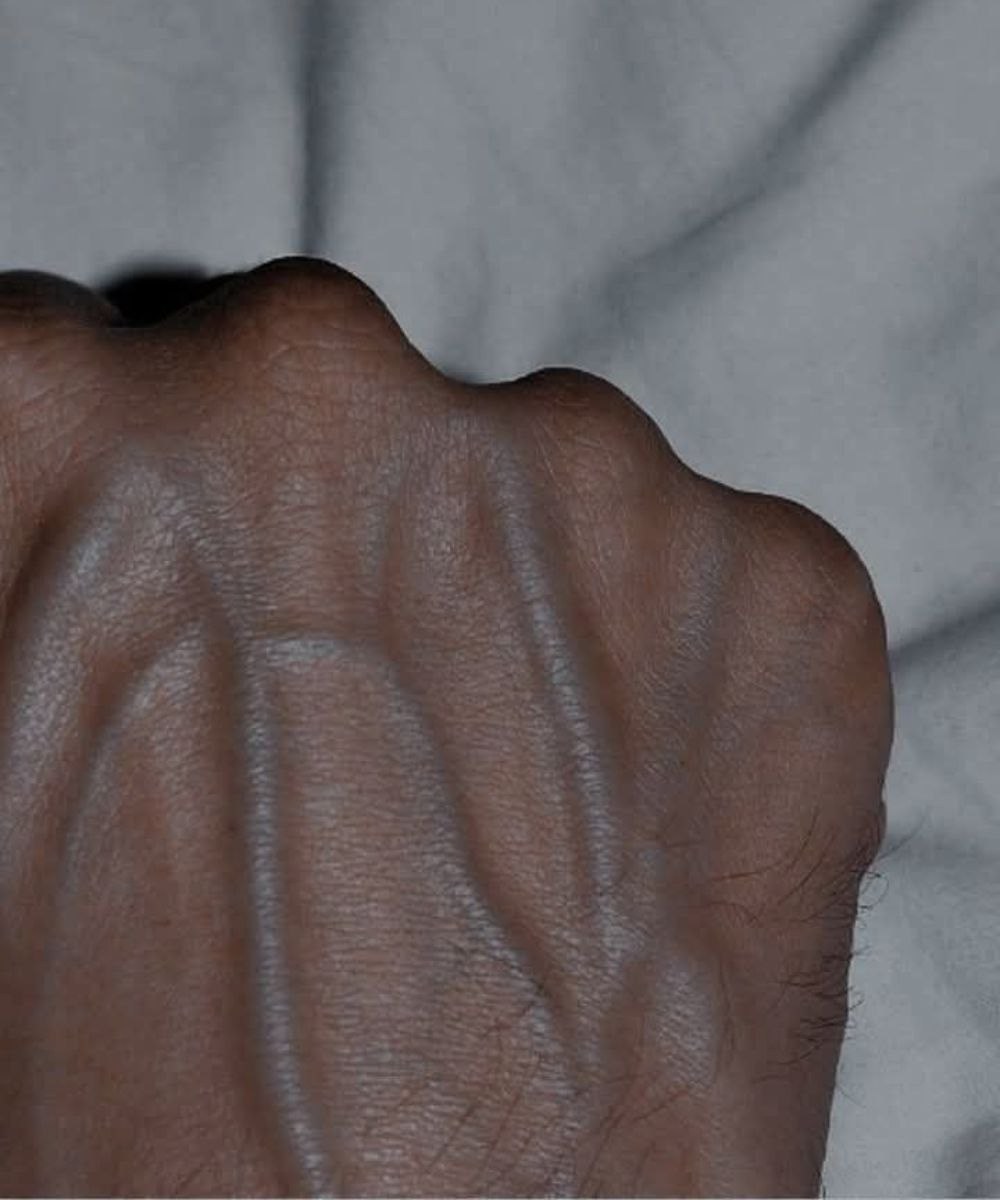
Spider veins are smaller, red, blue, or purple veins that are often found on the face or legs. They are similar to varicose veins but are smaller and more superficial.
- What causes it: Like varicose veins, spider veins occur when blood flow is disrupted. The pressure causes blood to pool in small veins, leading to visible discoloration near the skin’s surface.
- Risk factors: Genetics, prolonged sun exposure, hormonal changes (e.g., pregnancy, menopause), and obesity.
- What to do: Spider veins typically don’t require medical treatment, but if they cause discomfort or you wish to remove them for cosmetic reasons, treatments such as laser therapy or sclerotherapy may be recommended.
3. Chronic Venous Insufficiency (CVI)
Chronic venous insufficiency (CVI) is a condition where the veins in the legs cannot pump enough blood back to the heart, leading to blood pooling in the veins and resulting in visible veins.
- What causes it: CVI is caused by weakened valves or vein walls, which can be a result of aging, previous vein damage, or deep vein thrombosis (DVT).
- Symptoms: In addition to visible veins, other symptoms include swelling, heaviness, aching, and skin discoloration around the affected veins.
- What to do: CVI can be managed with lifestyle changes, including weight loss, leg elevation, and exercise. Severe cases may require surgery or minimally invasive treatments like endovenous laser therapy (EVLT) or sclerotherapy.
4. Pregnancy
Pregnancy can cause visible veins to appear due to increased blood volume and pressure on the veins. Many women notice more prominent veins in the legs, abdomen, or chest during pregnancy.
- What causes it: During pregnancy, the body increases blood volume to support the growing fetus. This added blood flow can put pressure on the veins, particularly in the legs, leading to varicose veins or spider veins.
- Risk factors: Genetics, prolonged standing, and hormonal changes during pregnancy.
- What to do: In most cases, visible veins during pregnancy are temporary and will improve after childbirth. However, wearing compression stockings, elevating the legs, and avoiding prolonged standing can help alleviate discomfort.
5. Hormonal Changes
Hormonal changes that occur during puberty, menopause, or as a result of birth control or hormone replacement therapy can affect the blood vessels and cause visible veins to appear, especially in women.
- What causes it: Hormonal fluctuations can weaken vein walls and valves, leading to poor circulation and the formation of visible veins.
- Symptoms: Women who experience hormonal changes may notice the appearance of spider veins, varicose veins, or other vascular issues. This is particularly common in areas such as the legs, face, and chest.
- What to do: If you suspect your visible veins are caused by hormonal changes, consider speaking with your doctor. Hormone therapy may need to be adjusted, or other treatments may be recommended for managing visible veins.
Conclusion
While visible veins are often considered a cosmetic issue, they can sometimes be a sign of an underlying health condition. Whether caused by varicose veins, spider veins, chronic venous insufficiency, pregnancy, or hormonal changes, visible veins can be managed with the right treatment and lifestyle changes.
If you are concerned about visible veins or experience other symptoms like pain, swelling, or skin changes, it’s important to consult with a healthcare professional for a proper diagnosis and treatment options.
