
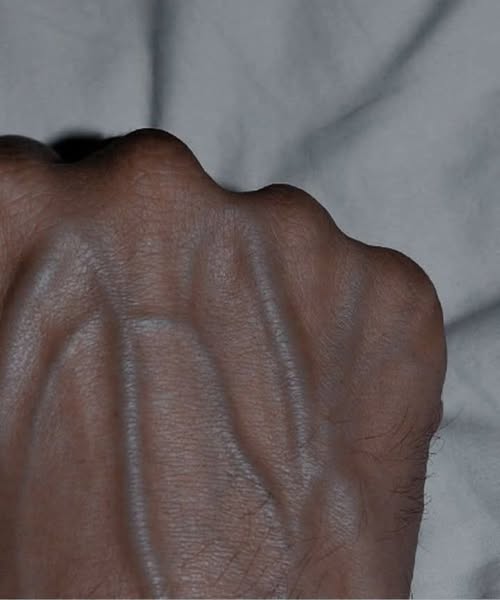
Spider veins are smaller, red or purple veins that are visible just under the skin, often forming a web-like pattern. Unlike varicose veins, spider veins are typically not raised and are more cosmetic in nature. They are most commonly seen on the legs, face, and around the nose or cheeks. Spider veins are caused by:
- Genetics
- Hormonal changes (such as during pregnancy, menopause, or the use of birth control pills)
- Sun exposure
- Previous injury or trauma to the skin
While spider veins are generally harmless and don’t usually cause discomfort, they can be a cosmetic concern for many people. If you’re looking for treatment, options such as laser therapy, sclerotherapy (injections that close the veins), and lifestyle changes (like wearing compression stockings) can help reduce their appearance.
3. Deep Vein Thrombosis (DVT)
Deep vein thrombosis is a more serious condition in which a blood clot forms in one of the deep veins, typically in the legs. In some cases, visible veins in the affected area may appear due to the clot or because of swelling. DVT is a medical emergency and can lead to severe complications, including:
- Pulmonary embolism (when the clot travels to the lungs)
- Chronic pain or swelling in the leg
- Skin discoloration or ulcers over time
Symptoms of DVT include swelling, warmth, redness, and tenderness in the affected leg. It’s important to seek immediate medical attention if you suspect DVT, as it can be life-threatening if left untreated. Common risk factors for DVT include prolonged immobility (such as after surgery or long flights), pregnancy, obesity, and a history of blood clots.
4. Chronic Venous Insufficiency (CVI)
Chronic Venous Insufficiency (CVI) is a condition where the veins in the legs cannot effectively pump blood back to the heart, leading to blood pooling in the veins. This condition can cause visible veins, especially in the lower legs and feet, along with other symptoms such as:
- Swelling in the legs
- Itching or skin discoloration
- Pain, especially after standing for long periods
- Ulcers or wounds on the legs
CVI is often caused by varicose veins or deep vein thrombosis and is more common in older adults. Lifestyle changes such as elevating the legs, wearing compression stockings, and exercising regularly can help manage symptoms. In more severe cases, medical procedures like endovenous laser treatment or surgery may be necessary to improve blood flow and prevent further damage.
5. Hormonal Changes
Hormonal changes can significantly impact the appearance of your veins, particularly during pregnancy, menopause, or puberty. These changes can cause the veins to become more prominent, especially in women. During pregnancy, the growing uterus puts pressure on the veins in the pelvic region, which can result in varicose veins or spider veins in the legs. Hormonal fluctuations can also weaken vein walls, making veins more noticeable. Common causes include:
- Pregnancy (increased blood volume and pressure on veins)
- Menopause (declining estrogen levels)
- Use of hormonal birth control or hormone replacement therapy
In most cases, hormonal changes that cause visible veins are temporary and will resolve after childbirth or when hormone levels stabilize. However, if you experience pain, swelling, or discomfort along with visible veins, it’s important to consult a healthcare provider to rule out other conditions like varicose veins or CVI.
When to See a Doctor
While visible veins can be normal in some cases, there are times when they may signal an underlying health condition that requires medical attention. You should see a doctor if you notice:
- Swelling, pain, or tenderness in the affected area
- Skin discoloration or ulcers around the veins
- Sudden changes in the size or appearance of veins
- Signs of deep vein thrombosis (swelling, warmth, redness)
Conclusion
Visible veins can be caused by various health conditions, from benign issues like spider veins to more serious conditions like DVT or chronic venous insufficiency. Understanding the underlying cause of your visible veins can help you determine whether treatment is necessary. If you’re concerned about your veins or experience symptoms like pain or swelling, it’s important to speak with a healthcare professional to receive an accurate diagnosis and appropriate care.
FAQ:
1. Are visible veins always a sign of a health problem?
Not necessarily. In many cases, visible veins are a normal part of the body’s function and can be due to factors like genetics, aging, or temporary hormonal changes. However, if they cause pain or other symptoms, it may indicate an underlying issue that requires medical attention.
2. Can visible veins be prevented?
While some causes of visible veins, like genetics and aging, cannot be prevented, lifestyle changes can help reduce the risk. Regular exercise, maintaining a healthy weight, avoiding prolonged periods of standing or sitting, and wearing compression stockings can all help reduce strain on the veins.
3. How are varicose veins treated?
Varicose veins can be treated through lifestyle changes (such as exercise and wearing compression stockings), medical treatments (such as sclerotherapy or laser therapy), or in severe cases, surgery. A doctor can recommend the best treatment based on the severity of the condition.
