
Healthy kidneys filter out waste and excess fluid, which is then excreted as urine. If you notice a significant decrease in the amount of urine you produce, it could be a sign that your kidneys are no longer functioning properly.
- Why it matters: A reduction in urine output could indicate acute kidney failure, kidney disease, or severe dehydration.
4. Blood in Your Urine
Hematuria, or blood in the urine, can be a sign of a variety of kidney problems, including kidney stones, infections, or more serious conditions like kidney cancer or glomerulonephritis (inflammation of the kidney’s filtering units).
- Why it matters: Blood in the urine should never be ignored, as it is a significant indicator of kidney or urinary tract issues.
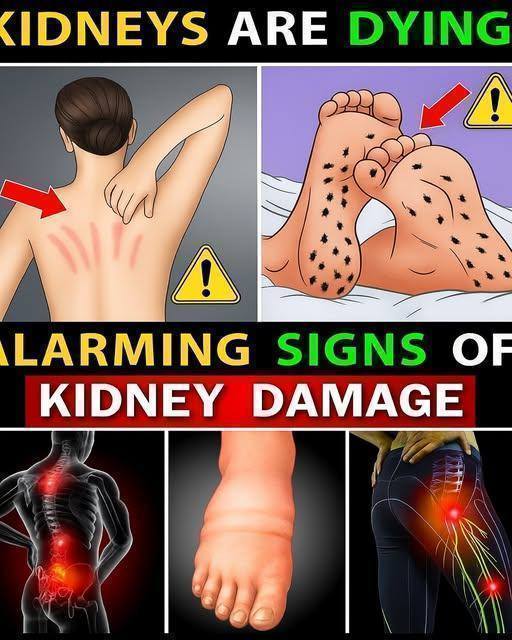
5. Persistent Back Pain
Kidney problems often cause pain in the lower back or side (flank pain). This pain is usually felt on one side of the body and may be associated with kidney stones, infections, or kidney disease.
- Why it matters: While back pain is common, if it persists or is accompanied by other symptoms, it could point to kidney dysfunction.
6. High Blood Pressure
The kidneys help regulate blood pressure by controlling the balance of salt and water in the body. When the kidneys are compromised, blood pressure can rise, which may lead to further kidney damage.
- Why it matters: Uncontrolled high blood pressure can damage the blood vessels in the kidneys, exacerbating kidney disease.
7. Nausea and Vomiting
When the kidneys are not working properly, waste products accumulate in the blood, which can lead to symptoms such as nausea, vomiting, and loss of appetite. This is a common sign of kidney failure or severe kidney disease.
- Why it matters: If nausea and vomiting persist, it may indicate that the kidneys are unable to effectively filter waste from the body.
8. Bad Breath (Uremic Fetor)
As kidney function deteriorates, toxins and waste products build up in the bloodstream. One of the byproducts of this is uremic fetor, or bad breath, which has a characteristic ammonia-like odor.
- Why it matters: Bad breath caused by kidney problems is often accompanied by other symptoms like fatigue and nausea, which should not be ignored.
9. Skin Rash or Itching
When the kidneys are not filtering waste effectively, it can cause toxins to accumulate in the blood. This can result in itching, rashes, and dry skin. The buildup of waste products in the body may cause your skin to become irritated and inflamed.
- Why it matters: Persistent itching or a rash that doesn’t go away may be a sign of kidney failure, especially if accompanied by other kidney-related symptoms.
10. Poor Appetite
People with kidney disease often experience a loss of appetite due to the buildup of toxins in the blood. This can lead to unintentional weight loss, as the body is no longer properly absorbing nutrients.
- Why it matters: A poor appetite can be a subtle sign of kidney dysfunction, especially if it leads to weight loss.
11. Shortness of Breath
Shortness of breath can occur when fluid accumulates in the lungs due to kidney problems. Kidney failure can lead to a backup of fluid in the body, affecting the lungs and causing difficulty breathing.
- Why it matters: If you experience difficulty breathing along with other kidney-related symptoms, you may be dealing with kidney failure or fluid retention.
12. Metallic Taste in the Mouth
A buildup of waste products in the bloodstream (uremia) can cause a metallic or ammonia-like taste in the mouth. This is a common symptom of severe kidney disease and should be addressed promptly.
- Why it matters: A metallic taste, especially when accompanied by other symptoms like fatigue or nausea, could indicate kidney dysfunction.
13. Dizziness and Lightheadedness
Kidneys help regulate the balance of electrolytes and fluids in the body. When kidney function declines, it can lead to an imbalance in these substances, causing dizziness or lightheadedness. This may also be related to low blood pressure or anemia.
- Why it matters: Persistent dizziness or lightheadedness, particularly when standing up, could indicate kidney issues affecting blood pressure or circulation.
14. Dark-Colored Urine
Dark urine can be a sign of dehydration, but if the color persists even after proper hydration, it could indicate kidney problems. Dark urine may also be a sign of blood in the urine, which could be related to kidney infections, stones, or other issues.
- Why it matters: Persistent changes in urine color should be investigated by a healthcare professional to rule out kidney disease or other medical conditions.
15. Anemia
Kidneys are responsible for producing erythropoietin, a hormone that stimulates red blood cell production. When the kidneys are not functioning properly, this hormone is not produced in adequate amounts, leading to anemia. Symptoms include pale skin, dizziness, and fatigue.
- Why it matters: If anemia develops alongside other kidney symptoms, it could be a clear sign of kidney dysfunction.
Conclusion
The kidneys are crucial organs that affect many systems in the body, and recognizing the early signs of kidney disease can help you take action before the condition worsens. If you notice any of the 15 signs mentioned above, it’s important to seek medical attention immediately. Early diagnosis and treatment can help preserve kidney function and prevent complications such as kidney failure.
Remember, kidney disease often develops slowly without showing noticeable symptoms. Regular checkups, blood tests, and urine tests are key in catching kidney issues early. If you have a family history of kidney disease or other risk factors, be proactive about your kidney health and consult with a healthcare provider if you experience any unusual symptoms.
