
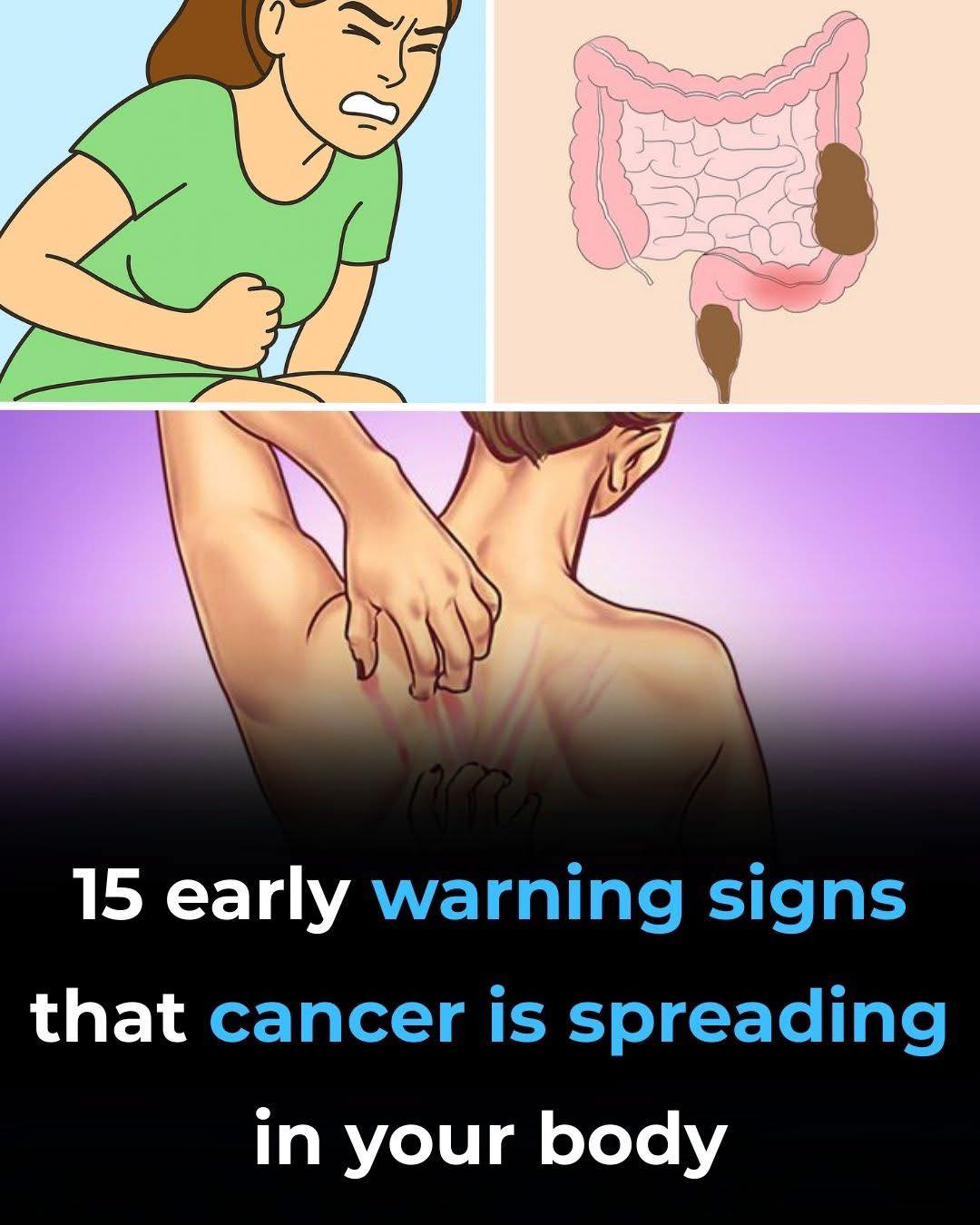
Persistent pain, particularly if it’s new and unexplained, should not be ignored. Pain related to cancer can be localized or generalized and can range from a dull ache to sharp, severe pain. It’s particularly concerning if the pain doesn’t subside over time or worsens. **Bone cancer** or **headaches** that don’t go away could be indicative of **brain cancer**.
4. Skin Changes
Skin changes, such as new growths, moles, or changes in existing moles, can be a sign of **skin cancer** (melanoma). Watch for the ABCDEs of skin cancer:
- A – Asymmetry: One half of the mole looks different from the other.
- B – Border: The edges of the mole are irregular.
- C – Color: The mole has more than one color or changes color.
- D – Diameter: The mole is larger than the size of a pencil eraser.
- E – Evolving: The mole changes over time.
5. Changes in Bathroom Habits
Changes in bathroom habits, such as **persistent constipation**, diarrhea, or blood in your stool, could be signs of **colon cancer**. Similarly, changes in urinary habits, such as frequent urination or difficulty urinating, may indicate **bladder** or **prostate cancer**. If these symptoms persist for more than a few weeks, consult your doctor.
6. Persistent Cough or Hoarseness
A persistent cough that doesn’t improve or a hoarse voice can be a sign of **lung cancer** or **throat cancer**. If you have a chronic cough or find that your voice has become hoarse without a clear cause (such as a cold), it’s important to get evaluated.
7. Difficulty Swallowing
Trouble swallowing food or liquids can be a sign of **esophageal cancer**, **stomach cancer**, or even **throat cancer**. If this problem persists and worsens over time, it is essential to get it checked.
8. Unusual Bleeding or Discharge
Unexplained bleeding, such as **blood in the urine**, **persistent vaginal bleeding**, **coughing up blood**, or **bloody stools**, can be signs of various types of cancer, including **bladder cancer**, **uterine cancer**, **lung cancer**, or **colon cancer**. Any unusual bleeding should be discussed with a healthcare provider.
9. Lumps or Masses
The presence of lumps or masses, particularly in the breast, neck, or abdomen, should always be taken seriously. **Breast cancer** is one of the most common types of cancer that manifests as a lump in the breast. However, lumps can also occur in the **lymph nodes** or other parts of the body and may indicate lymphoma or other cancers.
10. Persistent Indigestion or Nausea
If you experience prolonged **indigestion**, nausea, or vomiting without an obvious cause, it could be a symptom of **stomach cancer** or **esophageal cancer**. Persistent bloating or feeling full after eating small amounts of food may also be signs of **ovarian cancer**.
11. Unexplained Fever
A persistent fever, especially one that doesn’t go away, can be a symptom of **leukemia** or **lymphoma**, two types of cancer that affect the blood and immune system. Fever can also occur when cancer spreads or if your body is fighting off an infection caused by cancer.
12. Unexplained Weight Gain
While most people think of weight loss as a common cancer sign, **unexplained weight gain** can also be an early indicator of cancer, particularly in the case of **ovarian cancer**. In some cases, the weight gain can be due to the accumulation of fluid in the abdomen (ascites), which can occur with advanced cancer.
13. Changes in Appetite
A sudden loss of appetite or a feeling of fullness after eating just a small amount of food can indicate **pancreatic cancer**, **stomach cancer**, or **liver cancer**. A persistent loss of appetite combined with weight loss can also point to several types of cancer.
14. Swollen Lymph Nodes
Swollen or enlarged lymph nodes can be a sign of an infection or an immune response, but it can also indicate **lymphoma** or **leukemia**. Lymph nodes found in the neck, underarms, or groin are the most common areas to check for swelling. If they remain enlarged for an extended period or are painful, it’s important to see a doctor.
15. Difficulty Breathing or Shortness of Breath
If you experience unexplained **shortness of breath**, it could be related to **lung cancer** or the spread of cancer to the lungs. Difficulty breathing can also be associated with **pleural effusion** (fluid buildup around the lungs), a condition that can be caused by various cancers.
Conclusion
Cancer often progresses without showing obvious symptoms in the early stages, which is why it’s so important to pay attention to changes in your body. While many of these signs can also be caused by other, less serious conditions, they should never be ignored, especially if they persist or worsen over time.
If you experience any of the warning signs of cancer mentioned in this article, it’s essential to see a doctor as soon as possible. Early detection plays a crucial role in the treatment and management of cancer, significantly improving outcomes and survival rates. Remember, it’s always better to be cautious and proactive when it comes to your health.
